Cloud-Based Inventory Management Systems: Your Key to Streamlined Operations and Growth
As a business owner, you’re constantly juggling multiple tasks, from managing your finances to marketing your products. But one of the most crucial aspects of running a successful business is efficiently managing your inventory. This is where cloud-based inventory management systems come into play, offering a transformative solution to streamline your operations and unlock new levels of growth.
Imagine a world where you have real-time visibility into your inventory levels, across all your locations, on any device. You can instantly track stock movements, identify potential shortages, and automatically reorder products before they run out. This is the power of cloud-based inventory management systems. They provide a centralized platform to manage your entire inventory, from procurement to fulfillment, offering a wealth of benefits that can revolutionize your business.
The Rise of Cloud-Based Inventory Management Systems: A Game-Changer for Businesses
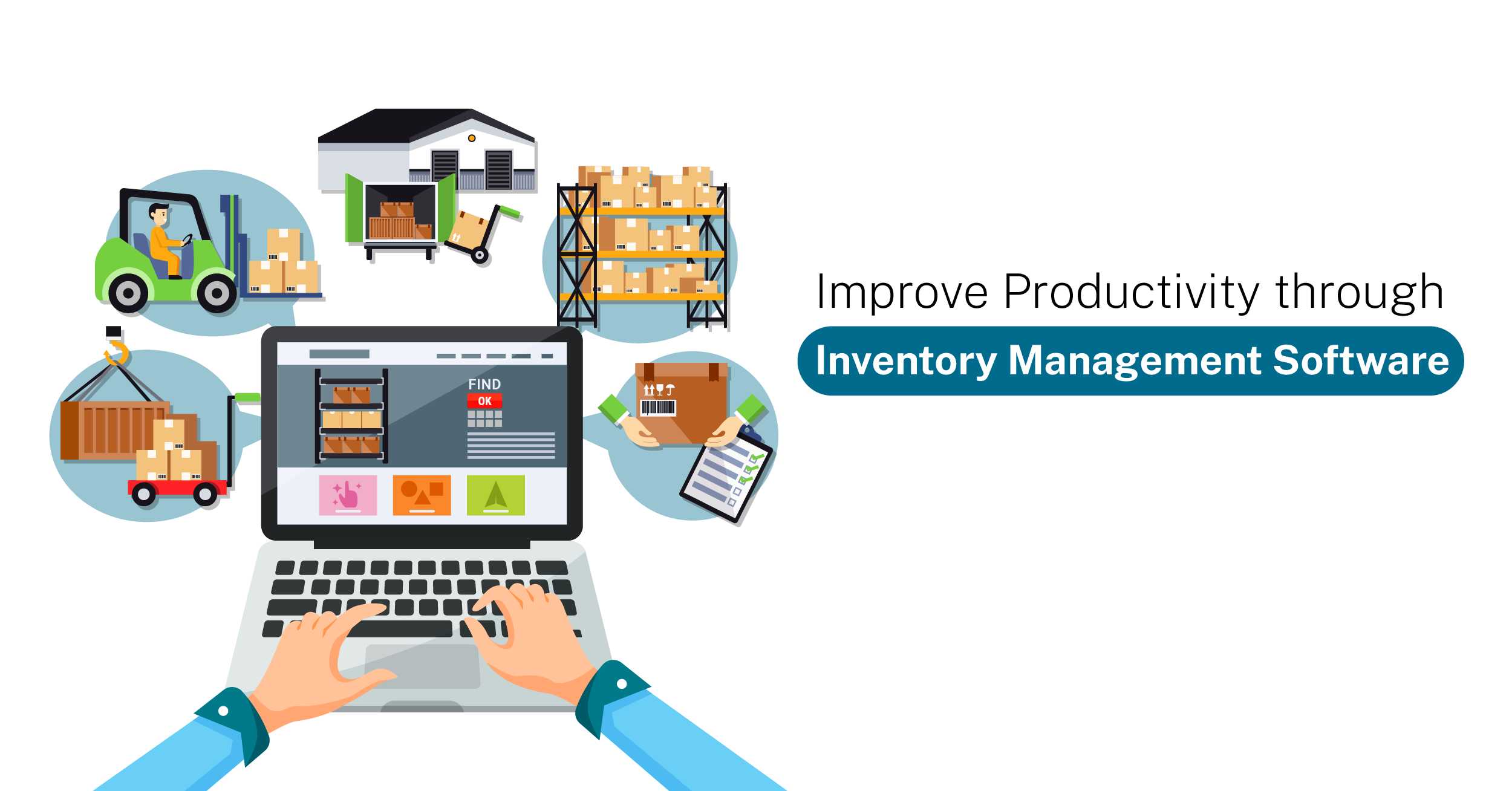
Cloud-based inventory management systems have become increasingly popular in recent years, and for good reason. They offer a compelling alternative to traditional on-premise systems, providing greater flexibility, affordability, and scalability. Gone are the days of bulky hardware and complex software installations. Cloud-based systems are accessible through any internet-connected device, making it easy for your team to manage inventory from anywhere, anytime.
The cloud’s inherent scalability also makes it ideal for businesses of all sizes. Whether you’re a small startup or a large enterprise, you can choose a cloud-based system that perfectly aligns with your current needs and seamlessly scales as your business grows. This eliminates the need for costly upfront investments in hardware and software, allowing you to allocate your resources more effectively.
Furthermore, cloud-based systems offer a more cost-effective solution compared to traditional on-premise systems. You pay only for the services you use, eliminating the need for expensive hardware maintenance and IT support. This affordability makes cloud-based inventory management systems accessible to a wider range of businesses, empowering them to optimize their operations and improve their bottom line.
Key Features of Cloud-Based Inventory Management Systems: Unlocking Efficiency and Growth
Cloud-based inventory management systems are packed with features designed to streamline your operations and boost your efficiency. Let’s delve into some of the most notable features that make these systems a game-changer for businesses:
Real-time Inventory Tracking: One of the most significant advantages of cloud-based inventory management systems is their ability to provide real-time visibility into your inventory levels. With a centralized platform, you can instantly track stock movements, from incoming shipments to outgoing orders, ensuring accurate data across all your locations. This real-time insight empowers you to make informed decisions about your inventory, preventing stockouts and optimizing your supply chain.
Automated Reordering: Say goodbye to manual inventory management and embrace the power of automation. Cloud-based systems can automatically generate purchase orders when inventory levels fall below a predetermined threshold. This proactive approach ensures you never run out of essential products, minimizing the risk of lost sales and customer dissatisfaction. Automated reordering also frees up your time, allowing you to focus on other critical aspects of your business.
Multi-Location Management: If you operate multiple locations, managing inventory across different sites can be a logistical nightmare. Cloud-based inventory management systems offer seamless multi-location management capabilities, enabling you to track inventory levels and movements across all your stores or warehouses. This centralized platform provides a unified view of your inventory, simplifying your operations and ensuring efficient stock allocation.
Advanced Reporting and Analytics: Data is the lifeblood of any successful business, and cloud-based inventory management systems provide powerful reporting and analytics tools to help you make data-driven decisions. You can generate detailed reports on various aspects of your inventory, such as sales trends, stock turnover rates, and product profitability. These insights enable you to identify areas for improvement, optimize your inventory strategy, and drive sustainable growth.
Integration with Other Business Systems: Cloud-based inventory management systems are designed to seamlessly integrate with other business systems, such as your point-of-sale (POS) system, accounting software, and e-commerce platform. This integration eliminates data silos and ensures a consistent flow of information across your entire business. By connecting your inventory management system with your other systems, you can streamline your operations, reduce errors, and gain a holistic view of your business performance.
Enhanced Customer Service: Cloud-based inventory management systems can significantly improve your customer service by providing real-time information about product availability. Your team can quickly and accurately respond to customer inquiries about order status, delivery times, and product availability. This transparency and responsiveness can lead to increased customer satisfaction and loyalty.
Improved Inventory Accuracy: Manual inventory management is prone to errors, leading to inaccurate stock counts and potential stockouts. Cloud-based systems eliminate these manual processes, automating inventory tracking and ensuring accurate data. This improved accuracy helps you avoid costly mistakes, optimize your inventory levels, and minimize waste.
Increased Efficiency and Productivity: By automating many of the tedious tasks associated with inventory management, cloud-based systems free up your time and resources. Your team can focus on more strategic tasks, such as developing new products, improving customer service, and driving business growth. This increased efficiency and productivity can have a significant impact on your bottom line.
Reduced Costs: While the initial investment in a cloud-based inventory management system may seem like an expense, the long-term benefits far outweigh the cost. By streamlining your operations, reducing errors, and optimizing your inventory levels, you can significantly reduce your overall costs. These savings can be reinvested into your business, fueling further growth and success.
Scalability and Flexibility: As your business grows, your inventory management needs will evolve. Cloud-based systems are designed to scale with your business, allowing you to easily add new users, locations, and products without the need for expensive hardware upgrades. This flexibility ensures that your system can adapt to your changing requirements, providing a sustainable solution for your long-term growth.
Choosing the Right Cloud-Based Inventory Management System: A Guide to Finding Your Perfect Match
The market is overflowing with cloud-based inventory management systems, each offering a unique set of features and capabilities. Choosing the right system for your business can be a daunting task, but it’s crucial to find a solution that meets your specific needs and budget. Here are some key factors to consider when selecting a cloud-based inventory management system:
Your Business Needs: First and foremost, consider your specific business needs. What are your primary goals for using an inventory management system? Are you looking to streamline your operations, improve customer service, or gain better insights into your inventory? Once you’ve identified your key objectives, you can narrow down your choices to systems that align with your requirements.
Industry-Specific Features: Some inventory management systems cater to specific industries, offering specialized features and functionalities. For example, a system designed for the retail industry may include features for managing point-of-sale transactions and tracking customer purchases. Research systems that offer industry-specific features to ensure they meet the unique demands of your business.
Scalability and Flexibility: As your business grows, your inventory management needs will evolve. Choose a system that can scale with your business, allowing you to add new users, locations, and products as needed. Look for systems that offer flexible pricing plans and options to customize your system to your specific requirements.
Integration Capabilities: Ensure the system you choose can integrate with your existing business systems, such as your POS system, accounting software, and e-commerce platform. Seamless integration eliminates data silos and ensures a consistent flow of information across your entire business, improving efficiency and reducing errors.
User-Friendliness and Training: The best inventory management system is one that your team can easily use and understand. Look for systems with intuitive interfaces, comprehensive documentation, and user-friendly training materials. A user-friendly system will encourage adoption and maximize the benefits of your investment.
Security and Data Privacy: Data security is paramount, especially when dealing with sensitive customer and financial information. Choose a system that employs robust security measures, such as encryption and two-factor authentication, to protect your data from unauthorized access. Ensure the system complies with relevant data privacy regulations, such as GDPR and CCPA.
Customer Support and Resources: Look for a provider that offers excellent customer support, including responsive technical assistance, comprehensive documentation, and online resources. A reliable support team can help you troubleshoot issues, maximize your system’s potential, and ensure a smooth transition to your new inventory management solution.
Pricing and Cost-Effectiveness: Consider the pricing structure of different systems and compare their features and capabilities. Choose a system that offers a competitive price point and a value proposition that aligns with your budget. Remember to factor in the long-term costs, including subscription fees, training, and ongoing support.
Reviews and Testimonials: Before making a final decision, research the reputation of different providers. Read online reviews and testimonials from other businesses that have used their systems. This feedback can provide valuable insights into the provider’s reliability, customer service, and overall satisfaction levels.
The Future of Inventory Management: Embracing Automation and AI
The future of inventory management is bright, with advancements in automation and artificial intelligence (AI) poised to revolutionize the way businesses manage their stock. Cloud-based inventory management systems are already incorporating these technologies to further streamline operations and unlock new levels of efficiency.
Automated Inventory Forecasting: AI-powered forecasting tools can analyze historical data, market trends, and seasonal patterns to predict future demand. This predictive capability enables businesses to optimize their inventory levels, minimizing stockouts and overstocking. By leveraging AI, businesses can proactively anticipate demand fluctuations and ensure they have the right products in the right quantities at the right time.
Smart Inventory Optimization: AI algorithms can analyze real-time data, such as sales trends, customer preferences, and supplier performance, to optimize inventory levels and allocation. These algorithms can identify inefficiencies and recommend adjustments to improve stock flow, reduce waste, and minimize holding costs.
Automated Order Fulfillment: AI-powered automation can streamline the entire order fulfillment process, from picking and packing to shipping and delivery. Robots and automated systems can handle repetitive tasks, reducing errors and increasing efficiency. This automation can significantly reduce labor costs and improve order fulfillment times, leading to higher customer satisfaction.
Real-time Inventory Visibility: AI-powered analytics can provide real-time visibility into inventory levels, stock movements, and potential bottlenecks across the entire supply chain. This granular data empowers businesses to identify and address issues proactively, minimizing disruptions and optimizing inventory flow.
Personalized Recommendations: AI-powered systems can analyze customer data to provide personalized product recommendations, improving customer engagement and driving sales. By understanding customer preferences and purchase history, businesses can offer tailored recommendations, increasing the likelihood of conversion and customer loyalty.
Conclusion: Embracing Cloud-Based Inventory Management Systems for a Brighter Future
As businesses continue to evolve and adapt to the ever-changing digital landscape, cloud-based inventory management systems have emerged as a crucial tool for success. By embracing the power of the cloud, businesses can streamline their operations, improve efficiency, and unlock new levels of growth.
The future of inventory management lies in leveraging automation and AI to optimize inventory levels, enhance customer service, and drive sustainable growth. Cloud-based inventory management systems are at the forefront of this transformation, empowering businesses to navigate the complexities of the modern supply chain and thrive in a competitive marketplace. By embracing these innovative solutions, businesses can unlock their full potential and achieve their strategic goals.