Unlocking Growth: Your Deep Dive into the NetSuite ERP System
Okay, let’s talk NetSuite. I’ve been wrestling with enterprise resource planning (ERP) systems for years, helping businesses of all sizes find the right fit. And NetSuite? It’s a heavyweight contender, consistently ranking high among the best. But is it the right solution for your business? That’s what we’re going to unpack here. Forget the sales pitches; we’re going deep into the nitty-gritty, exploring the real-world implications of implementing this powerful ERP system. We’ll look at its strengths, weaknesses, and what you absolutely need to consider before taking the plunge. This isn’t a surface-level overview; it’s a roadmap for making an informed decision.
Let’s start with the elephant in the room: cost. NetSuite isn’t cheap. It’s a cloud-based solution, meaning you’re paying a recurring subscription fee, not a one-time purchase. This can be a significant investment, especially for smaller businesses. However, the cost needs to be weighed against the potential return on investment. Think about the time saved by automating processes, the improved accuracy of financial reporting, and the enhanced visibility into your entire operation. These benefits can translate into significant cost savings in the long run, offsetting the subscription fees. The pricing model is also tiered, meaning it scales with your business needs. You won’t be paying for features you don’t use, which can be a major advantage over some other ERP systems with hefty upfront costs and inflexible licensing. Ultimately, the cost-effectiveness of NetSuite depends entirely on your specific circumstances and how effectively you leverage its capabilities. You’ll need a solid business case that justifies the investment, and that requires careful planning and forecasting. Don’t just look at the immediate outlay; project your potential savings and efficiency gains over several years to get a true picture of the financial implications.
Beyond the initial investment, consider the ongoing costs associated with implementation, training, and ongoing support. NetSuite implementations can be complex, requiring specialized expertise. You might need to hire consultants or dedicate internal resources to the project, adding to the overall expense. Training your employees to use the system effectively is crucial; a poorly trained workforce can negate many of the benefits of an ERP system. Factor in the cost of ongoing maintenance, updates, and technical support. NetSuite offers various support packages, but choosing the right level of support is crucial to ensure smooth operation and minimize downtime. Don’t underestimate the hidden costs; things like data migration, system customization, and integration with other software can quickly add up. Getting a clear, detailed quote from NetSuite that encompasses all these potential costs is paramount before you commit. This isn’t just about the software; it’s about the entire ecosystem of services and support that surrounds it.
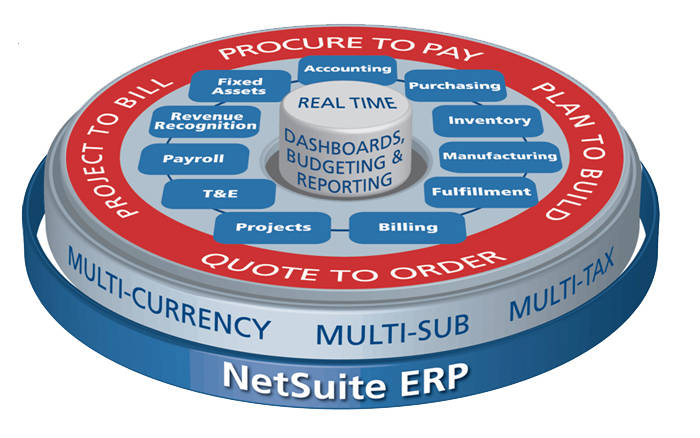
Now, let’s shift gears and talk about the features. NetSuite is a comprehensive ERP system, meaning it offers a wide range of functionalities, from financial management to supply chain management to customer relationship management (CRM). This all-in-one approach can be a major advantage, streamlining processes and eliminating the need for multiple disparate systems. Imagine having your financials, inventory, sales, and customer data all integrated into a single platform. The visibility this provides is invaluable for making informed business decisions. NetSuite’s financial management capabilities are particularly strong, providing robust tools for accounting, budgeting, and financial reporting. Its inventory management features allow for real-time tracking of stock levels, reducing the risk of stockouts or overstocking. And its CRM features help you manage customer interactions, track sales opportunities, and improve customer service. However, this breadth of functionality can also be a double-edged sword. The system can be overwhelming for users initially, requiring significant training and potentially leading to initial productivity dips. The sheer number of features might also mean that some aspects of the system go underutilized, diminishing the return on investment.
The strength of NetSuite truly lies in its scalability. It’s designed to grow with your business, accommodating changes in size, complexity, and operational needs. Whether you’re a small startup or a large multinational corporation, NetSuite can adapt to your evolving requirements. This adaptability is a huge advantage over many legacy ERP systems that can become cumbersome and inflexible as a company expands. NetSuite’s cloud-based architecture allows for easy scaling; you can add users, modules, and functionalities as needed, without the need for significant hardware upgrades or infrastructure changes. This flexibility is crucial for businesses that anticipate rapid growth or significant changes in their operations. The ability to seamlessly integrate with other cloud-based applications is another key aspect of NetSuite’s scalability. This allows you to create a highly customized and integrated business ecosystem, tailoring the system to your specific workflow and processes. Think of it like building with Lego bricks; you can add and remove components as needed, creating a system that perfectly fits your business model. This adaptability minimizes disruption and maximizes efficiency as your company expands and evolves.
But let’s not shy away from the challenges. Implementing NetSuite is a significant undertaking. It requires careful planning, dedicated resources, and a clear understanding of your business needs. A poorly planned implementation can lead to delays, cost overruns, and ultimately, a system that doesn’t meet your expectations. Thorough data migration is critical, ensuring a smooth transition from your existing systems. This process can be complex and time-consuming, requiring expertise in data cleansing and transformation. You’ll also need to invest in comprehensive training for your employees. A poorly trained workforce can struggle to use the system effectively, hindering productivity and negating many of the intended benefits. And remember, ongoing maintenance and support are essential to keep the system running smoothly and to take advantage of updates and new features. Don’t underestimate the complexity of this process; it’s not a simple plug-and-play solution. You need a strategic approach, a dedicated project team, and a realistic timeline.
Finally, the integration aspect deserves a closer look. NetSuite boasts robust integration capabilities, allowing you to connect it with other software and systems you already use. This is crucial for creating a seamless workflow and avoiding data silos. However, the complexity of integrations can vary widely depending on the systems involved and the level of customization required. Some integrations might be straightforward, while others might require significant development effort. It’s important to carefully assess your existing technology stack and determine which systems need to be integrated with NetSuite. This will help you estimate the time, cost, and resources required for integration. The success of your NetSuite implementation hinges heavily on the effectiveness of your integration strategy. A poorly integrated system can lead to data inconsistencies, workflow bottlenecks, and ultimately, a diminished return on investment. Don’t rush this process; take the time to thoroughly plan and execute your integration strategy to ensure a smooth and efficient transition.
So, there you have it. A deep dive into the world of NetSuite. It’s a powerful ERP system with the potential to transform your business, but it’s not a magic bullet. Careful planning, realistic expectations, and a commitment to thorough implementation are crucial for success. Weigh the costs against the benefits, understand the complexities, and don’t hesitate to seek expert advice. The journey to finding the right ERP system is a significant one, but the rewards of a well-implemented system like NetSuite can be transformative for your business growth. Remember, this is about more than just software; it’s about building a scalable, efficient, and future-proof foundation for your operations.