You’re running a small business, and you’re constantly juggling a million things. You’re wearing multiple hats, from sales and marketing to finance and operations.
You’re trying to stay on top of your inventory, your customer orders, your finances, and everything in between. It can feel overwhelming, and you’re probably thinking, “There has to be a better way!” And you’re right, there is.
Enter cloud-based ERP solutions. These powerful tools are designed to streamline your business processes, automate tasks, and provide you with real-time insights into your operations. They’re like having a virtual assistant that handles all the tedious administrative work, freeing you up to focus on what you do best: growing your business.
But with so many options available, choosing the right cloud-based ERP solution for your small business can feel like a daunting task. It’s like trying to find the perfect pair of shoes – you want something that fits your needs, is comfortable, and looks good.
So, let’s dive into the world of cloud-based ERP solutions and see how they can help you take your business to the next level.
Why Cloud-Based ERP Solutions are Perfect for Small Businesses
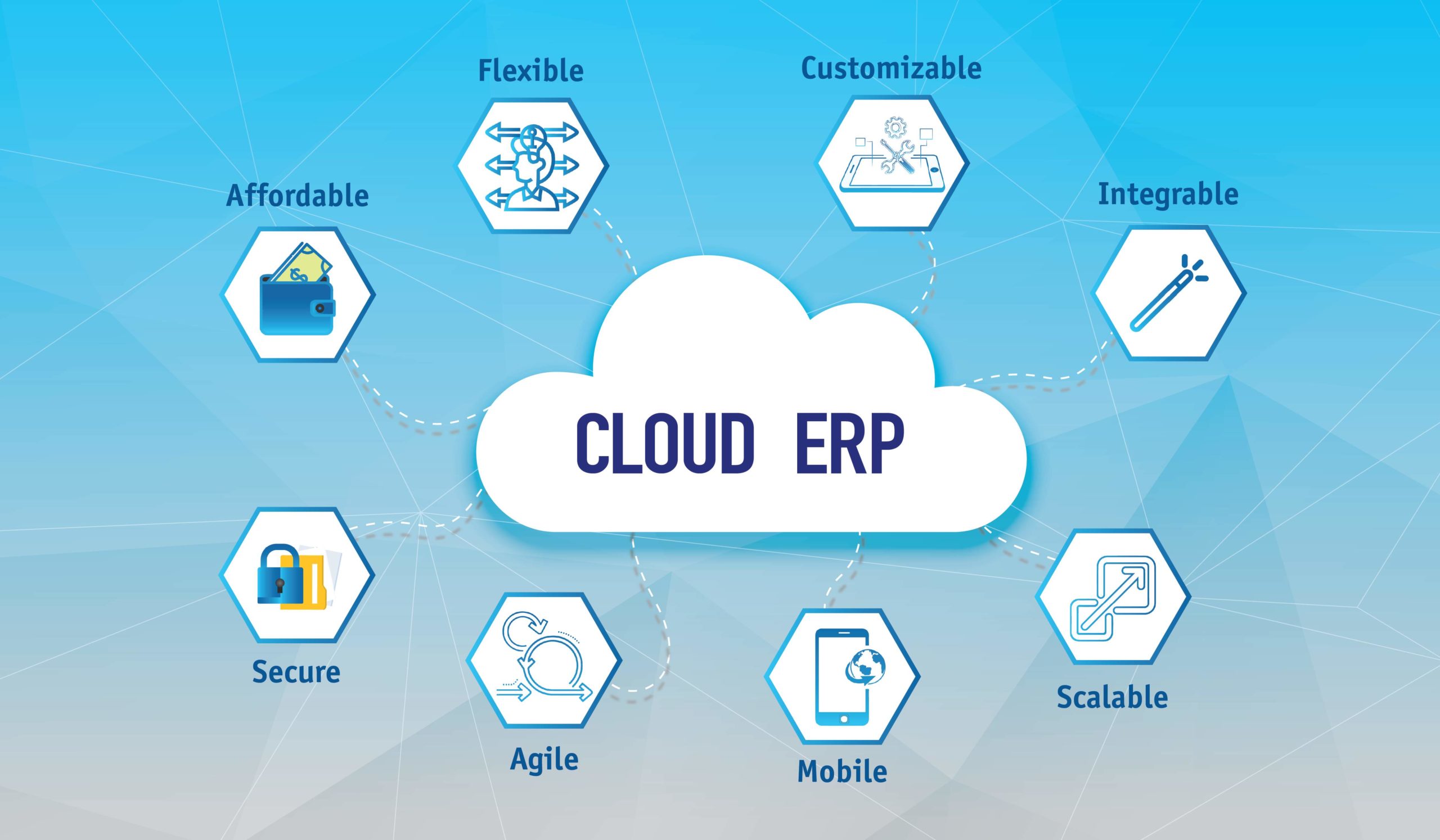
Let’s face it, small businesses have unique challenges. You’re probably operating on a tight budget, with limited resources and a small team. You need solutions that are affordable, easy to use, and scalable as your business grows. That’s where cloud-based ERP solutions come in.
Traditional on-premise ERP systems often require significant upfront investment in hardware, software, and IT support. They can be complex to install and maintain, and they’re not very flexible. Cloud-based ERP solutions, on the other hand, are accessible through the internet, eliminating the need for expensive hardware and complex installations.
This means you can access your data and manage your business from anywhere, anytime, using a web browser or mobile device.
The pay-as-you-go pricing model of cloud-based ERP solutions is also very attractive for small businesses. You only pay for the features you need, and you can easily scale up or down as your business evolves. No more being locked into expensive contracts or feeling like you’re paying for features you don’t use.
The Benefits of Cloud-Based ERP Solutions for Small Businesses
Cloud-based ERP solutions offer a wide range of benefits that can transform your small business. Here are just a few of the key advantages:
- Improved Efficiency: Cloud-based ERP systems automate repetitive tasks, freeing up your time and resources to focus on more strategic initiatives. Imagine not having to manually enter data into spreadsheets anymore!
- Real-Time Insights: With access to real-time data and analytics, you can make informed decisions about your business, from inventory management to sales forecasting. You’ll be able to identify trends, spot opportunities, and optimize your operations.
- Enhanced Collaboration: Cloud-based ERP solutions facilitate seamless collaboration between different departments and teams. This allows for better communication, improved workflow, and a more unified approach to business operations.
- Increased Flexibility: Cloud-based ERP solutions are highly adaptable and can be customized to meet the specific needs of your business. You can easily add new features, integrate with other applications, and scale your system as your business grows.
- Reduced Costs: By eliminating the need for expensive hardware and software, cloud-based ERP solutions can significantly reduce your IT costs. You’ll also benefit from lower maintenance and support costs.
- Improved Security: Cloud providers invest heavily in security measures to protect your data. You’ll have peace of mind knowing that your sensitive information is safe and secure.
Key Features of Cloud-Based ERP Solutions for Small Businesses
Now that we’ve discussed the benefits, let’s take a closer look at some of the key features you should look for in a cloud-based ERP solution for your small business:
- Financial Management: This module covers core accounting functions, including accounts payable, accounts receivable, budgeting, and financial reporting. You’ll be able to track your finances, manage your cash flow, and make informed financial decisions.
- Inventory Management: This module helps you manage your inventory levels, track stock movements, and optimize your supply chain. You’ll be able to avoid stockouts, reduce inventory carrying costs, and improve your overall efficiency.
- Sales and Marketing: This module helps you manage your sales pipeline, track customer interactions, and automate marketing campaigns. You’ll be able to increase your sales, improve customer satisfaction, and build stronger relationships with your customers.
- Human Resources: This module helps you manage your employees, track payroll, and comply with labor laws. You’ll be able to streamline your HR processes, improve employee engagement, and reduce administrative overhead.
- Customer Relationship Management (CRM): This module helps you manage your customer relationships, track interactions, and personalize your communications. You’ll be able to build stronger relationships with your customers, improve customer satisfaction, and drive sales.
- Project Management: This module helps you plan, track, and manage your projects. You’ll be able to stay on schedule, within budget, and deliver projects on time and within scope.
- Reporting and Analytics: This module provides you with real-time insights into your business operations. You’ll be able to track your key performance indicators (KPIs), identify trends, and make data-driven decisions.
Choosing the Right Cloud-Based ERP Solution for Your Small Business
With so many options available, choosing the right cloud-based ERP solution for your small business can be overwhelming. Here are some factors to consider:
- Your Business Needs: What are your specific business requirements? Do you need a solution for financial management, inventory management, sales and marketing, or a combination of these?
- Your Budget: How much can you afford to spend on an ERP solution? Cloud-based ERP solutions offer a range of pricing options, so you can find one that fits your budget.
- Scalability: Can the solution grow with your business? As your business expands, you’ll need a solution that can handle increased data volume and complexity.
- Ease of Use: Is the solution user-friendly? You want a system that your team can easily learn and use.
- Integration: Can the solution integrate with your existing systems? You’ll want to ensure that your ERP solution can seamlessly integrate with your accounting software, CRM system, and other critical applications.
Conclusion
Cloud-based ERP solutions offer small businesses a powerful way to streamline operations, improve efficiency, and gain real-time insights into their business.
By taking the time to carefully evaluate your needs, budget, and other factors, you can find the perfect cloud-based ERP solution to help you achieve your business goals and take your business to the next level.
Remember, the right ERP solution can be your secret weapon for success in today’s competitive business environment.