Conquer Your Business Challenges with Oracle ERP Suite: A Veteran’s Guide
Let’s talk Oracle ERP Suite. I’ve seen a lot of business software come and go in my years, and this one… this one’s a heavyweight. It’s not for the faint of heart, that’s for sure. It’s a beast of a system, capable of handling the complexities of even the largest multinational corporations. But it’s also surprisingly adaptable, capable of scaling down to fit smaller businesses too. The key, as with any powerful tool, is understanding how to wield it effectively. I’ve spent years wrestling with various ERP systems, and Oracle’s always been a recurring player. It’s a powerful tool, but like a finely tuned sports car, it requires knowledge and skill to truly harness its potential. Getting started can feel overwhelming, a bit like staring down a mountain range you’re supposed to climb, but trust me, with the right approach, the view from the top is breathtaking.
Understanding the Oracle ERP Suite Ecosystem: More Than Just Software
The first hurdle many businesses face isn’t the software itself, but the sheer scale of the Oracle ERP Suite. It’s not just one program; it’s a whole ecosystem of interconnected modules designed to manage every aspect of your business, from finance and human resources to supply chain management and manufacturing. Think of it like a city – each module is a distinct neighborhood, all connected by roads and infrastructure (the underlying database) allowing for seamless communication and data flow. You might start with just a few modules, perhaps focusing on finance and accounting initially, before gradually integrating others as your business grows and needs evolve. This modularity is a strength, allowing businesses to tailor the system to their specific requirements, but it also means careful planning is essential. You don’t want to end up with a sprawling, disorganized digital metropolis that’s more trouble than it’s worth. Choosing the right modules and integrating them effectively is a crucial first step. Remember, this isn’t a one-size-fits-all solution. You need to understand your business needs inside and out before you even begin considering implementation.
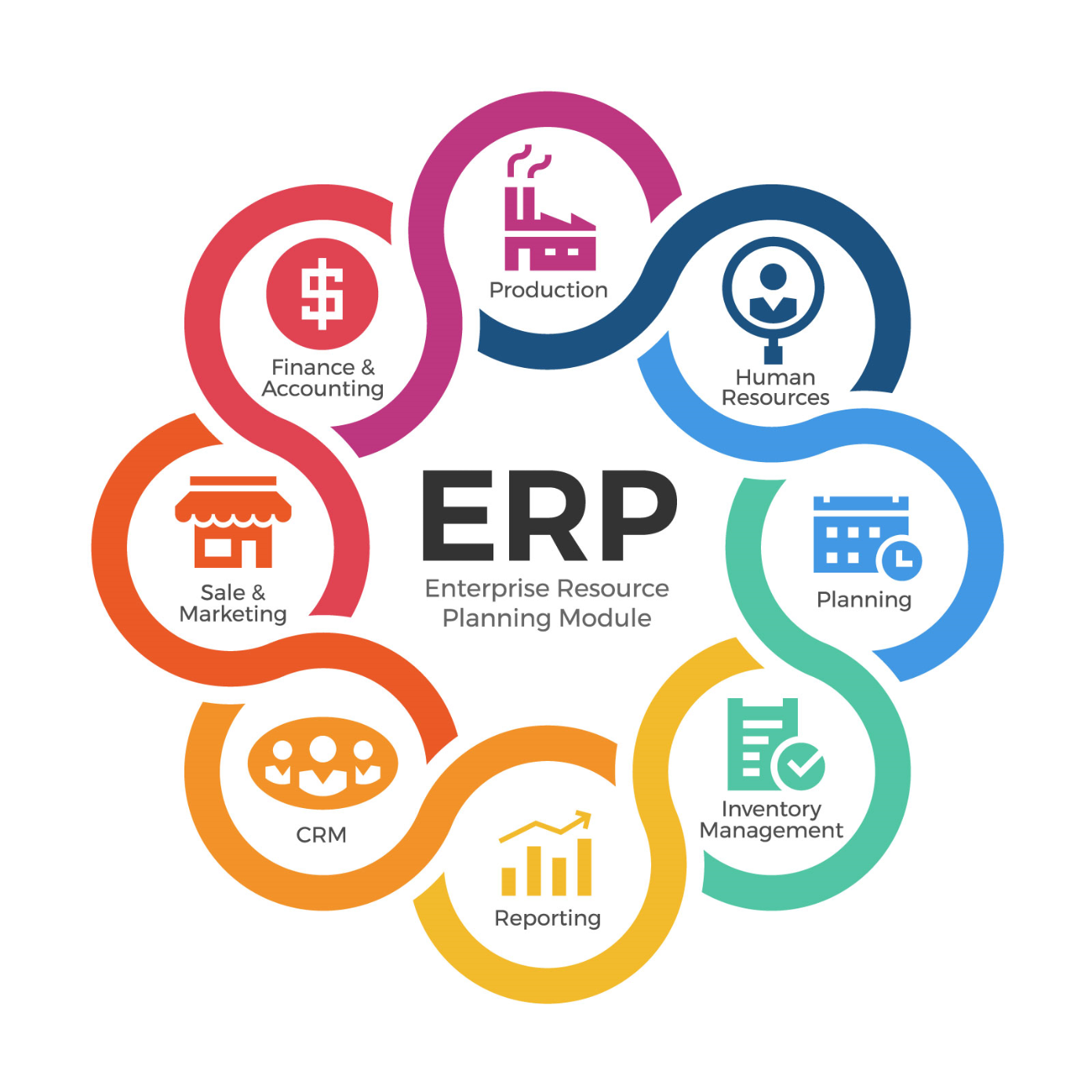
The complexity extends beyond just the modules. You’ve got different versions to consider – Cloud ERP, on-premise solutions, and various industry-specific adaptations. Each option has its own set of pros and cons, and the best choice depends heavily on your company’s size, infrastructure, and budget. Cloud ERP offers scalability and accessibility, but might raise concerns about data security for some. On-premise solutions give you greater control, but require significant investment in hardware and IT support. The industry-specific versions are tailored to particular sectors, offering pre-configured modules and functionalities that streamline processes. It’s a deep dive, and you’ll need to do your research and potentially consult with experts to navigate this labyrinth effectively. Don’t rush this stage. The wrong decision here can be incredibly costly and time-consuming to rectify later on. Consider bringing in a consultant; their expertise can save you from making costly mistakes.
The learning curve is steep. Let’s be honest. Oracle ERP Suite isn’t known for its user-friendliness, at least not initially. The interface can be overwhelming for newcomers, packed with features and options that can seem daunting at first glance. But don’t be discouraged. Comprehensive training is absolutely crucial. Invest in proper training for your team, and don’t skimp on it. The better your team understands the system, the more efficiently they can use it, and the greater the return on your investment. Think of it as learning a new language – it takes time and effort, but the rewards are immense once you become fluent. There are numerous online resources, training courses, and certifications available to help your team get up to speed. Consider a phased rollout, starting with a smaller group of key users before expanding to the rest of the organization. This allows for a smoother transition and minimizes disruption to daily operations. Remember, a well-trained team is your biggest asset in successfully implementing and utilizing Oracle ERP Suite.
Implementing Oracle ERP Suite: A Strategic Approach
Implementation is where things get really interesting. It’s not just about installing the software; it’s about transforming your business processes to align with the system’s capabilities. This requires careful planning, meticulous execution, and a significant commitment of resources. Start with a thorough assessment of your current business processes. Identify bottlenecks, inefficiencies, and areas where improvement is needed. This assessment will inform your implementation strategy, helping you decide which modules to prioritize and how to configure the system to optimize your workflows. Remember, you’re not just implementing software; you’re implementing a new way of doing business.
Data migration is another crucial aspect. Moving your existing data into the new system can be a complex and time-consuming process. It requires careful planning and execution to ensure data integrity and minimize downtime. Consider using a phased approach, migrating data in stages rather than attempting a single, large-scale migration. This reduces the risk of errors and allows you to identify and resolve any issues early on. Don’t underestimate the importance of data cleansing. Before migrating your data, take the time to clean and validate it, ensuring accuracy and consistency. Inaccurate data will only lead to inaccurate results and ultimately hinder your ability to make informed business decisions. Invest in robust data migration tools and skilled professionals to ensure a smooth and efficient process.
And then there’s the change management aspect. Implementing a new ERP system is a significant change for any organization, and it’s crucial to manage that change effectively. Communicate clearly with your employees, explaining the benefits of the new system and how it will impact their roles. Provide adequate training and support, and address any concerns they may have. Resistance to change is a common challenge, so proactive communication and engagement are essential to ensure a successful implementation. Consider appointing change champions within your organization – individuals who are enthusiastic about the new system and can help to promote its adoption among their colleagues. Remember, successful implementation isn’t just about technology; it’s about people.
Maximizing ROI with Oracle ERP Suite: Beyond the Initial Investment
The initial investment in Oracle ERP Suite is substantial, but the long-term benefits can be even more significant. To maximize your return on investment, you need to focus on several key areas. First, ensure you’re using all the features and functionalities of the system. Many businesses only utilize a fraction of the system’s capabilities, missing out on potential efficiencies and cost savings. Regularly review your processes and identify areas where the system can be used more effectively. Invest in ongoing training to keep your team up-to-date with the latest features and best practices.
Data analytics is another key area. Oracle ERP Suite provides a wealth of data that can be used to gain valuable insights into your business operations. Invest in data analysis tools and expertise to leverage this data to improve decision-making, optimize processes, and identify new opportunities. Regularly analyze key performance indicators (KPIs) to track progress and identify areas for improvement. Remember, data is only valuable if it’s analyzed and acted upon. Don’t let your data sit unused; turn it into actionable insights.
Finally, ongoing maintenance and support are crucial. Oracle ERP Suite is a complex system, and it requires ongoing maintenance to ensure its stability and performance. Invest in a robust support plan to address any issues that may arise. Regularly update the system with the latest patches and upgrades to benefit from new features and security enhancements. Proactive maintenance can prevent costly downtime and ensure the long-term success of your ERP implementation. Think of it as regular car maintenance – it might seem like an added expense, but it prevents larger, more costly problems down the road. This ongoing commitment is essential to maximizing your return on investment and ensuring the long-term success of your Oracle ERP Suite implementation. It’s a marathon, not a sprint, and consistent effort is key to crossing the finish line.