Decoding the Acumatica ERP Cost: A Deep Dive for Businesses
Let’s talk Acumatica ERP cost. It’s a question on every business owner’s mind when considering a new ERP system, and frankly, it’s a complex one. There’s no single, simple answer like "it costs $X." The truth is, the price tag for Acumatica, like many other enterprise resource planning (ERP) solutions, is highly variable, influenced by a multitude of factors. Understanding these factors is crucial before you even begin requesting quotes, otherwise you’ll be comparing apples and oranges, leading to frustration and potentially the wrong decision. Think of it like buying a car – you wouldn’t just walk into a dealership and ask for the price of "a car," would you? You’d specify the make, model, features, and so on. Acumatica is similar; the more specific you are about your needs, the more accurate the costing will be.
One of the biggest drivers of Acumatica ERP cost is the specific modules you choose. Acumatica offers a modular structure, allowing you to select only the functionalities you need. This is a huge advantage over monolithic systems that force you to pay for features you might never use. Need just inventory management and financial accounting? The cost will be significantly lower than if you also require manufacturing, CRM, project management, and advanced analytics. Each module adds to the overall price, and some are more complex and expensive than others. Think about it like building a house – a basic shell is cheaper than a mansion with a pool and home theatre. Similarly, a basic Acumatica implementation with only core modules will be significantly less expensive than a fully loaded system with every bell and whistle. This modularity allows for scalability, but it also means the initial investment can vary wildly depending on your business’s unique requirements. Taking the time to carefully consider which modules are essential versus nice-to-haves is vital for keeping costs under control. It’s a strategic decision that pays dividends in the long run.
Beyond the modules themselves, the cost of implementation significantly impacts the overall Acumatica ERP cost. This isn’t just about the software license; it encompasses a range of services, including consulting, customization, data migration, training, and ongoing support. The complexity of your business processes and data significantly affects the implementation time and therefore the cost. A simple, straightforward migration from a legacy system might take weeks, while a complex migration with extensive data cleansing and system integration could take months, even years. The expertise of the implementation partner also plays a role. Experienced consultants can streamline the process, minimizing downtime and reducing overall costs, while less experienced teams might take longer and potentially introduce errors, leading to increased expenses. Don’t hesitate to get multiple quotes from different Acumatica partners. Compare not only the price but also their experience, their understanding of your business, and their proposed implementation methodology. This upfront investment in due diligence will save you money and headaches down the line. Remember, a smooth implementation is a cost-effective implementation.
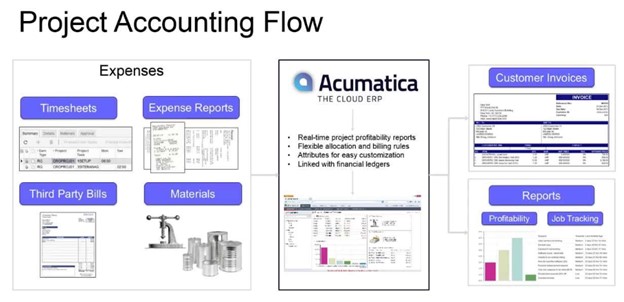
Another key factor influencing Acumatica ERP cost is the size of your business. Larger organizations with more complex needs and a larger volume of transactions will naturally require more resources, leading to a higher overall cost. This isn’t just about the number of users; it also relates to the volume of data processed, the number of integrations required with other systems, and the level of customization needed to align with specific business processes. A small business with a handful of employees and simple operations will have vastly different requirements than a multinational corporation with thousands of employees and intricate supply chains. The pricing structure often reflects this difference, with tiered pricing models common in the ERP industry. Don’t be afraid to discuss your specific business size and operational complexity with potential vendors to get a realistic cost estimate tailored to your situation. Transparency is key, and a reputable vendor will be upfront about the factors influencing the pricing. Don’t be shy about asking probing questions – it’s your investment, and you deserve clarity.
Beyond the initial investment, ongoing maintenance and support are crucial considerations when evaluating Acumatica ERP cost. This includes things like software updates, technical support, and potential customizations or enhancements down the line. These ongoing costs can add up over time, so it’s essential to understand the different support packages available and their associated costs. Some vendors offer tiered support plans, ranging from basic email support to comprehensive 24/7 phone and online support. The level of support you require will depend on your technical expertise and the criticality of the ERP system to your business operations. A robust support system can prevent costly downtime and ensure the smooth functioning of your business. Don’t underestimate the value of proactive maintenance and timely updates to prevent potential issues and keep your system running optimally. Investing in a comprehensive support package can be a cost-effective strategy in the long run by minimizing disruptions and maximizing uptime. Factor these ongoing costs into your overall budget planning.
Let’s not forget about training. The cost of training your employees to use the new ERP system is often overlooked but can be a significant expense. The training needs will vary depending on the complexity of the system and the technical skills of your staff. Some vendors offer comprehensive training programs, including classroom instruction, online tutorials, and ongoing support. Others might offer a more basic training package, requiring you to invest in additional training resources. Factor in the time your employees will spend on training, as well as the potential loss of productivity during this period. Consider the long-term benefits of well-trained employees who can effectively utilize the system’s capabilities. A well-trained workforce can maximize the return on your Acumatica investment and contribute to improved efficiency and productivity. Don’t hesitate to inquire about training options and costs during the sales process.
Finally, remember that the Acumatica ERP cost isn’t just about the initial investment; it’s about the overall return on investment (ROI). A robust ERP system can streamline operations, improve efficiency, reduce costs, and enhance decision-making. These benefits can significantly outweigh the initial investment over the long term. Consider the potential cost savings from reduced manual processes, improved inventory management, better financial control, and enhanced customer relationship management. A well-implemented Acumatica system can deliver significant ROI, making the initial investment a worthwhile endeavor. Before committing to any ERP solution, conduct a thorough cost-benefit analysis to evaluate the potential return on your investment. Consider both the tangible and intangible benefits, such as improved employee satisfaction and enhanced customer relationships. A comprehensive ROI analysis will help you make an informed decision and justify the cost of Acumatica. Don’t just focus on the upfront price; think about the long-term value and potential for growth.
In conclusion, while there’s no single answer to the question of "how much does Acumatica ERP cost?", understanding the various factors that influence the price is crucial for making an informed decision. From the modules you select to the implementation process, training, and ongoing support, many elements contribute to the overall cost. By carefully considering your specific needs, comparing quotes from multiple vendors, and conducting a thorough cost-benefit analysis, you can ensure you’re making a strategic investment that aligns with your business goals and budget. Remember, the right ERP system is an investment, not an expense. Choose wisely, and the benefits will far outweigh the costs.