Decoding the Gartner Magic Quadrant for ERP: Your Guide to Navigating the Maze
Okay, let’s talk Gartner Magic Quadrant for ERP. I’ve been watching this thing for years, helping businesses navigate the sheer volume of ERP options out there, and trust me, it’s a jungle. You’ve got vendors promising the moon, analysts throwing around buzzwords like "digital transformation" and "cloud-native," and your poor team trying to figure out what it all means. The Gartner Magic Quadrant is supposed to simplify things, to give you a clear picture of who’s leading the pack. But it’s not always that straightforward. It’s a tool, yes, but like any tool, you need to know how to use it effectively. Otherwise, you risk making a decision based on hype rather than reality. Understanding the nuances of the quadrant, knowing what factors Gartner prioritizes, and understanding your own business needs is crucial. Otherwise, you’re just spinning your wheels. Let’s dive in and unpack this thing together.
Understanding the Axes: Visionary, Leader, Challenger, Niche Player
The Gartner Magic Quadrant plots vendors on two axes: Completeness of Vision and Ability to Execute. Completeness of Vision is all about the vendor’s strategic direction, their understanding of the market, and their innovative capabilities. Are they just reacting to trends, or are they shaping them? Do they have a clear roadmap for the future? This isn’t just about current features; it’s about long-term strategy. A visionary vendor might be slightly behind in terms of current market share but possesses a compelling vision for the future, anticipating market shifts and technological advancements. They might be developing cutting-edge technologies that haven’t fully matured yet, but hold immense potential for future growth and disruption. They’re the ones betting big on future trends and setting the pace for innovation. This requires a significant amount of foresight and risk-taking, which is why not every vendor can successfully navigate this path.
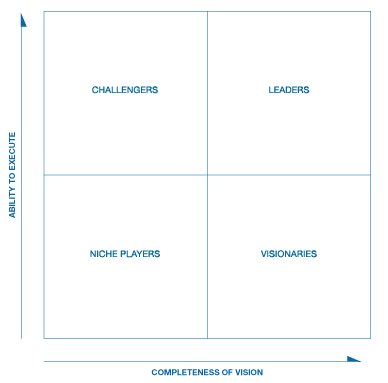
Ability to Execute, on the other hand, is all about the here and now. It’s about the vendor’s ability to deliver on their promises. Do they have a strong track record of successful implementations? Do they have the resources and infrastructure to support their customers? This involves factors like customer satisfaction, product reliability, and the overall quality of their services. A vendor might have a brilliant vision, but if they can’t execute it effectively, it’s all for naught. Conversely, a vendor might be excelling in the present but lack a clear vision for the future. The perfect spot on the quadrant, of course, is high in both categories, but reality is often more nuanced. Sometimes a company is exceptionally good at execution but lacks the visionary spark, while others are bursting with innovation but struggle to deliver consistently. You need to weigh both aspects carefully. Don’t just chase the "Leader" quadrant; understand why they’re there.
The four quadrants themselves – Leaders, Challengers, Visionaries, and Niche Players – represent different strategic positions. Leaders are generally the safest bet, possessing both strong vision and execution capabilities. Challengers are often close behind, potentially offering more competitive pricing or specialized features. Visionaries, as mentioned, are betting on the future, and Niche Players focus on specific industries or segments. It’s not a simple ranking system; it’s a strategic map. You might find that a Niche Player perfectly fits your specific requirements, even if they aren’t a Leader. Think about your own company’s size, industry, and specific needs. A large multinational corporation will have different priorities than a small, rapidly growing startup. The quadrant isn’t a one-size-fits-all solution.
Beyond the Quadrant: Diving Deeper into Vendor Selection
The Gartner Magic Quadrant is a fantastic starting point, a high-level overview that helps you narrow down your options. However, it shouldn’t be the only factor in your decision-making process. Think of it as a filter, not the final answer. Once you’ve identified a few vendors that interest you based on the quadrant, it’s time to do some serious digging. You need to go beyond the marketing materials and analyst reports. Talk to existing customers, read independent reviews, and conduct thorough due diligence. Request demos, compare pricing models, and analyze implementation timelines. This is where the rubber meets the road. The Gartner report gives you a broad stroke, but your own research paints the detailed picture.
Don’t be swayed by flashy features or impressive marketing campaigns. Focus on the practical aspects: ease of use, integration capabilities, scalability, and overall cost of ownership. Consider the vendor’s support infrastructure. Will they be there to help you when you need them? What kind of training and documentation do they offer? These seemingly minor details can have a huge impact on your overall experience. Remember, implementing an ERP system is a significant undertaking. It’s not just about choosing software; it’s about choosing a long-term partner. You need a vendor that understands your business, that’s responsive to your needs, and that’s committed to your success. The Gartner Magic Quadrant can guide you, but your own careful investigation seals the deal.
Think about your future needs as well. ERP systems are long-term investments. You need to choose a system that can grow with your business. Consider the scalability of the software, the vendor’s ability to adapt to future changes in technology and market demands. Will the system be able to handle your anticipated growth? Will the vendor be able to provide the necessary support and upgrades as your business evolves? These are crucial considerations that often get overlooked in the initial excitement of choosing a new system. Don’t just focus on the present; look ahead to the future and ensure that your chosen ERP system can meet your long-term needs. This forward-thinking approach will save you headaches and potential costs down the line. It’s all about building a sustainable, long-term partnership.
The Human Element: Culture Fit and Implementation Success
Beyond the technical specifications and market positioning, there’s a crucial element that often gets overlooked: the human factor. Choosing an ERP system is not just about selecting software; it’s about integrating a new system into your existing business culture. Consider the vendor’s approach to customer service, their communication style, and their overall company culture. Do they align with your values? Do they demonstrate a commitment to collaboration and partnership? These intangible factors can have a significant impact on the success of your implementation. A smooth implementation requires strong communication, collaboration, and a shared understanding between your team and the vendor’s team. A mismatch in culture can lead to friction, delays, and ultimately, a less successful implementation.
The implementation process itself is a significant undertaking. It requires careful planning, strong project management, and the active participation of your team. Choose a vendor that provides comprehensive implementation support, including training, documentation, and ongoing assistance. Consider their methodology, their approach to change management, and their track record of successful implementations. Ask for references and speak to other clients who have gone through the process. Learn from their experiences, both positive and negative. A successful implementation depends not just on the software itself, but on the partnership between your team and the vendor’s team. The Gartner Magic Quadrant helps you pick a vendor, but successful implementation requires more than just the right software. It requires a collaborative partnership built on mutual understanding and respect.
Remember that even with the best software and the most skilled team, implementing an ERP system is never a walk in the park. It’s a complex project that requires careful planning, meticulous execution, and a significant investment of time and resources. Choose a vendor that understands these challenges, that is prepared to work collaboratively with you, and that is committed to helping you achieve your goals. The Gartner Magic Quadrant provides a valuable framework, but the ultimate success of your ERP implementation will depend on the human element, the partnership between you and your chosen vendor. Don’t underestimate the importance of this crucial factor. It’s the human element, the shared commitment to success, that often makes the difference between a smooth, successful implementation and a chaotic, costly disaster. So, choose wisely, and choose a partner, not just a software provider.