Ditch the Server Room: Your Guide to Thriving with Cloud-Based Enterprise Software
Let’s talk cloud. Not the fluffy, cotton-candy kind, but the powerful, scalable, game-changing kind that’s revolutionizing how businesses operate. I’ve been watching this space for years, seen the initial hesitant steps, the rapid adoption, and now the almost complete integration of cloud-based enterprise software into the very fabric of modern business. It’s not just a trend anymore; it’s the standard. And if you’re still clinging to outdated on-premise systems, you’re missing out on a massive competitive advantage. Think about it – the sheer cost savings alone should be enough to pique your interest, but the benefits extend far beyond just the bottom line. We’re talking increased efficiency, enhanced collaboration, boosted innovation, and a level of agility that would have been unimaginable just a decade ago. It’s a transformative shift, and frankly, it’s exhilarating to witness.
Unlocking Scalability and Flexibility: The Power of Cloud Agility
One of the most compelling aspects of cloud-based enterprise software is its unparalleled scalability. Remember those days when upgrading your systems felt like planning a small-scale military operation? Weeks of downtime, hefty upfront investments, and the constant worry of whether you’d even bought the right amount of capacity? Those are relics of the past. With the cloud, scaling up or down is as easy as adjusting a slider. Need to handle a sudden surge in demand? No problem. Your cloud provider can instantly allocate the resources you need, ensuring seamless operation even during peak periods. This kind of flexibility is invaluable, particularly for businesses experiencing rapid growth or facing unpredictable market fluctuations. Imagine launching a new product and effortlessly scaling your infrastructure to handle the influx of orders without breaking a sweat. That’s the power of cloud agility. It’s not just about reacting to change; it’s about anticipating it and being prepared for anything the market throws your way. This proactive approach allows businesses to focus on innovation and growth rather than being bogged down by infrastructure limitations. The ability to quickly adapt to changing business needs, whether it’s a sudden increase in customer demand or a shift in market trends, is a significant competitive advantage in today’s dynamic business environment. This agility translates directly to faster time-to-market for new products and services, quicker response to customer needs, and the ability to seize emerging opportunities before competitors.
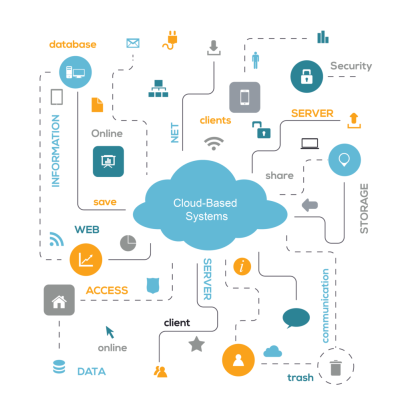
Furthermore, the cost savings associated with scalability are substantial. You only pay for what you use, eliminating the need for significant upfront investments in hardware and infrastructure. This pay-as-you-go model is particularly beneficial for startups and small businesses that may not have the capital to invest in large on-premise systems. Even established enterprises can benefit from reduced IT costs by optimizing their resource allocation based on actual needs, rather than over-provisioning to account for potential future growth. The flexibility extends beyond simply scaling resources; it also allows businesses to easily adapt to changing business processes and workflows. Need to implement a new CRM system? No need for lengthy integration projects and potential downtime. Cloud-based solutions often offer seamless integrations with other cloud services, enabling rapid deployment and configuration of new applications and tools. This ability to quickly adapt and evolve is crucial in today’s rapidly changing technological landscape, allowing businesses to stay ahead of the curve and remain competitive. It’s a dynamic ecosystem that fosters innovation and efficiency.
Beyond just scaling, the cloud offers unparalleled flexibility in terms of access and location. Your employees can access critical business applications and data from anywhere with an internet connection, fostering remote work capabilities and enhancing collaboration. This is particularly important in today’s increasingly mobile and distributed workforce. The ability to work from anywhere, anytime, boosts productivity, improves employee satisfaction, and expands your talent pool beyond geographical limitations. The cloud’s flexibility also extends to disaster recovery and business continuity. Cloud providers typically offer robust disaster recovery solutions, ensuring business operations can continue even in the event of a natural disaster or other unforeseen circumstances. This peace of mind is invaluable, allowing businesses to focus on their core operations without worrying about the potential impact of disruptions. The cloud provides a level of resilience and redundancy that’s simply unattainable with traditional on-premise systems. It’s a safety net that protects your business from unforeseen events and ensures its long-term sustainability.
Collaboration and Communication: Breaking Down Silos with Cloud Software
One of the most transformative impacts of cloud-based enterprise software is its ability to foster seamless collaboration and communication across teams and departments. Forget the days of emailing large attachments, struggling with version control, and dealing with incompatible software. Cloud-based solutions offer centralized platforms where teams can work together on projects in real-time, share files effortlessly, and communicate instantly. This fosters a culture of transparency and accountability, accelerating project timelines and improving overall efficiency. Think about the impact on project management alone. Real-time updates, shared task lists, and integrated communication tools streamline workflows and eliminate the confusion and delays often associated with traditional project management methods. This enhanced collaboration not only saves time and resources but also fosters a more cohesive and productive work environment.
The improved communication facilitated by cloud-based software is equally significant. Instant messaging, video conferencing, and integrated communication platforms break down geographical barriers and enable seamless communication between teams, regardless of their location. This is crucial in today’s globalized business environment, where teams often work across different time zones and countries. The ability to communicate effectively and efficiently is essential for maintaining productivity and ensuring projects are completed on time and within budget. Moreover, the centralized nature of cloud-based platforms fosters a shared understanding of projects and goals, reducing misunderstandings and improving overall team cohesion. This shared workspace promotes a sense of community and collaboration, which can significantly enhance employee morale and productivity. It’s about more than just sharing files; it’s about creating a dynamic and collaborative work environment that fosters innovation and teamwork.
The implications for customer relationship management (CRM) are also profound. Cloud-based CRM systems provide a centralized repository for all customer interactions, enabling sales, marketing, and customer service teams to access and share information seamlessly. This ensures consistency in customer interactions and improves customer satisfaction. Imagine a scenario where a sales representative can instantly access a customer’s complete history, including past purchases, support tickets, and communication logs. This level of insight allows for personalized and targeted interactions, fostering stronger customer relationships and driving sales growth. The ability to track and analyze customer data also provides valuable insights into customer behavior, enabling businesses to optimize their marketing campaigns and improve overall customer experience. The integration of various business functions, from sales and marketing to customer service and operations, fosters a more holistic approach to customer management. This integrated view of the customer journey enables businesses to identify areas for improvement and enhance the overall customer experience, leading to increased customer loyalty and advocacy.
Security and Data Protection in the Cloud: Addressing Concerns
One of the most common concerns surrounding cloud-based enterprise software is security. It’s a valid concern, and it’s crucial to choose a reputable cloud provider with robust security measures in place. However, it’s important to understand that cloud providers often invest heavily in security infrastructure and expertise, exceeding the capabilities of most individual businesses. They employ advanced security technologies, including encryption, firewalls, intrusion detection systems, and regular security audits, to protect your data from unauthorized access and cyber threats. In many cases, cloud-based solutions offer a higher level of security than on-premise systems, which can be vulnerable to internal threats and outdated security protocols. The responsibility for security, however, is not solely on the provider. Businesses must also implement their own security best practices, such as strong password policies, multi-factor authentication, and regular employee training on security awareness.
Furthermore, cloud providers often offer a range of security features and compliance certifications to address specific industry regulations and requirements. This ensures that your data is handled in accordance with relevant legal and regulatory frameworks. Many cloud providers offer features such as data encryption at rest and in transit, access controls, and audit trails, providing a high level of transparency and accountability. These features enable businesses to maintain control over their data and ensure compliance with industry standards. It’s not just about protecting your data from external threats; it’s also about ensuring compliance with relevant regulations and maintaining the confidentiality, integrity, and availability of your information. This is particularly crucial for businesses handling sensitive customer data or operating in regulated industries.
The misconception that cloud-based software is inherently less secure than on-premise systems is often rooted in a lack of understanding of the sophisticated security measures employed by cloud providers. In reality, the cloud often offers a more secure environment due to the dedicated resources and expertise invested in protecting data. This includes dedicated security teams, advanced threat detection systems, and continuous monitoring to identify and mitigate potential vulnerabilities. The scale of cloud infrastructure allows for the deployment of advanced security technologies that are simply not feasible for most businesses to implement on their own. By leveraging the security expertise and infrastructure of a reputable cloud provider, businesses can significantly enhance their overall security posture and reduce their risk of data breaches and cyberattacks. It’s about choosing the right partner and implementing best practices to ensure your data remains safe and secure. The shared responsibility model emphasizes the collaboration between the cloud provider and the business in ensuring data security.
The Future of Enterprise Software: A Cloud-Driven Landscape
The shift towards cloud-based enterprise software is not just a trend; it’s a fundamental transformation of how businesses operate. The benefits—increased scalability, flexibility, enhanced collaboration, and improved security—are undeniable. As technology continues to evolve, we can expect even greater innovation in cloud-based solutions, further enhancing their capabilities and expanding their applications across various industries. Artificial intelligence, machine learning, and automation are already being integrated into cloud-based platforms, creating more intelligent and efficient business applications. This will lead to even greater productivity gains and new opportunities for businesses to leverage data-driven insights. The future of enterprise software is undoubtedly cloud-driven, and businesses that embrace this shift will be well-positioned to thrive in the increasingly competitive global marketplace.
The integration of emerging technologies like AI and machine learning will further enhance the capabilities of cloud-based enterprise software. Imagine AI-powered tools that automate routine tasks, provide predictive analytics, and personalize customer experiences. These technologies will not only improve efficiency but also create new opportunities for innovation and growth. Businesses that leverage these advanced capabilities will gain a significant competitive advantage, enabling them to make data-driven decisions, optimize their operations, and create more personalized customer experiences. The cloud provides the ideal infrastructure for deploying and scaling these AI-powered applications, making them accessible to businesses of all sizes.
The ongoing evolution of cloud computing also means continuous improvement in security and data protection. Cloud providers are constantly investing in new security technologies and best practices to protect their customers’ data from evolving threats. This includes advanced threat detection systems, proactive security monitoring, and continuous improvement in security protocols. As a result, cloud-based enterprise software is becoming increasingly secure and reliable, addressing the concerns of businesses that are hesitant to migrate their data to the cloud. The ongoing advancements in security technology and the commitment of cloud providers to data protection are creating a more secure and trustworthy environment for businesses to leverage the benefits of cloud computing. The future is undeniably cloud-first, and businesses that fail to adapt risk falling behind. It’s not just about technology; it’s about embracing a new way of working, a new way of thinking, and a new way of competing.