Oracle NetSuite vs. Other ERPs: Choosing the Right Enterprise Resource Planning Solution for Your Business
Let’s be honest, choosing an ERP system feels like navigating a minefield. You’re bombarded with jargon, endless feature lists, and promises of streamlined efficiency that often fall flat. I’ve been there, helping countless businesses – from scrappy startups to established enterprises – find the right ERP solution. And while there’s a whole universe of options out there, Oracle NetSuite consistently rises to the top of the conversation, especially when compared to other titans in the ERP space like SAP or Microsoft Dynamics 365. But is it the right fit for your business? That’s the million-dollar question, and we’re going to dive deep to find the answer. The truth is, there’s no one-size-fits-all answer; the best ERP depends heavily on your specific needs, budget, and growth trajectory. But understanding the nuances of NetSuite, its strengths, and where it might fall short, is crucial to making an informed decision. Consider this your roadmap to navigating the complexities of ERP selection, specifically focusing on the NetSuite versus Oracle comparison (because yes, there’s a subtle but important difference).
NetSuite, despite being owned by Oracle, operates as a distinct cloud-based ERP solution. This is a significant factor. Unlike some on-premise solutions that require hefty upfront investments in hardware and IT infrastructure, NetSuite is entirely cloud-hosted. This translates to lower initial costs, reduced IT overhead, and automatic updates – a huge win for businesses that want to focus on growth rather than IT maintenance. The cloud-based nature also allows for scalability. As your business expands, you can easily adjust your NetSuite subscription to accommodate increased data volume and user needs. This flexibility is a game-changer, especially for rapidly growing companies that can’t predict their future IT demands with absolute certainty. This contrasts sharply with some older, more traditional ERP systems that often require significant re-architecting to handle growth, leading to costly downtime and disruptions. NetSuite’s adaptability is a key selling point, offering a smoother transition as your business evolves. Think of it as a business suit that grows with you, instead of one you outgrow in a year.
However, the cloud-based nature also comes with its own set of considerations. Security is paramount, and NetSuite, like any cloud provider, needs to demonstrate a robust security posture. You’ll want to thoroughly investigate their security protocols and compliance certifications to ensure your sensitive data is protected. Furthermore, complete reliance on a third-party provider means you’re at the mercy of their service uptime. While NetSuite boasts impressive uptime statistics, it’s crucial to understand their service level agreements (SLAs) and have contingency plans in place for potential outages. Finally, the cost structure of a cloud-based ERP is often subscription-based, meaning ongoing monthly or annual fees. While this can be more predictable than the unpredictable costs associated with on-premise solutions, it’s essential to carefully analyze your long-term budget implications and factor in potential increases in subscription fees as your usage grows. This transparency, while beneficial, requires careful financial planning.
Now, let’s talk about the elephant in the room: Oracle. Oracle is a behemoth in the enterprise software world, offering a broad portfolio of products and services, including its own comprehensive ERP suite. But Oracle’s ERP solutions, unlike NetSuite, often lean towards on-premise deployments. This means a significant initial investment in hardware, software licenses, and IT expertise to implement and maintain the system. While Oracle’s on-premise solutions can offer greater control and customization, they also come with higher upfront costs and ongoing maintenance expenses. The learning curve can be steeper, requiring specialized IT staff to manage the system effectively. This can be a significant barrier for smaller businesses with limited IT resources. The sheer complexity of Oracle’s offerings can also lead to longer implementation times and potentially higher integration costs. Think of it like building a custom home versus buying a well-designed, move-in ready condo. The custom home offers more control, but the process is longer and potentially more expensive.
The integration capabilities of both NetSuite and Oracle’s ERP solutions are crucial considerations. NetSuite, being a cloud-based solution, generally boasts easier integration with other cloud-based applications. This is a significant advantage in today’s interconnected business environment, where businesses rely on a multitude of SaaS applications for various functions. The ease of integration allows for seamless data flow between different systems, improving efficiency and reducing manual data entry. However, integration with legacy on-premise systems can still pose challenges, requiring careful planning and potentially custom development. Oracle’s ERP solutions, both cloud and on-premise, offer robust integration capabilities, but the complexity of integration can vary depending on the specific solution and the target systems. Often, integrating with Oracle’s ERP requires specialized expertise and can be a time-consuming and costly process. The integration process itself can become a project of significant scale, demanding careful project management and potentially external consulting services.
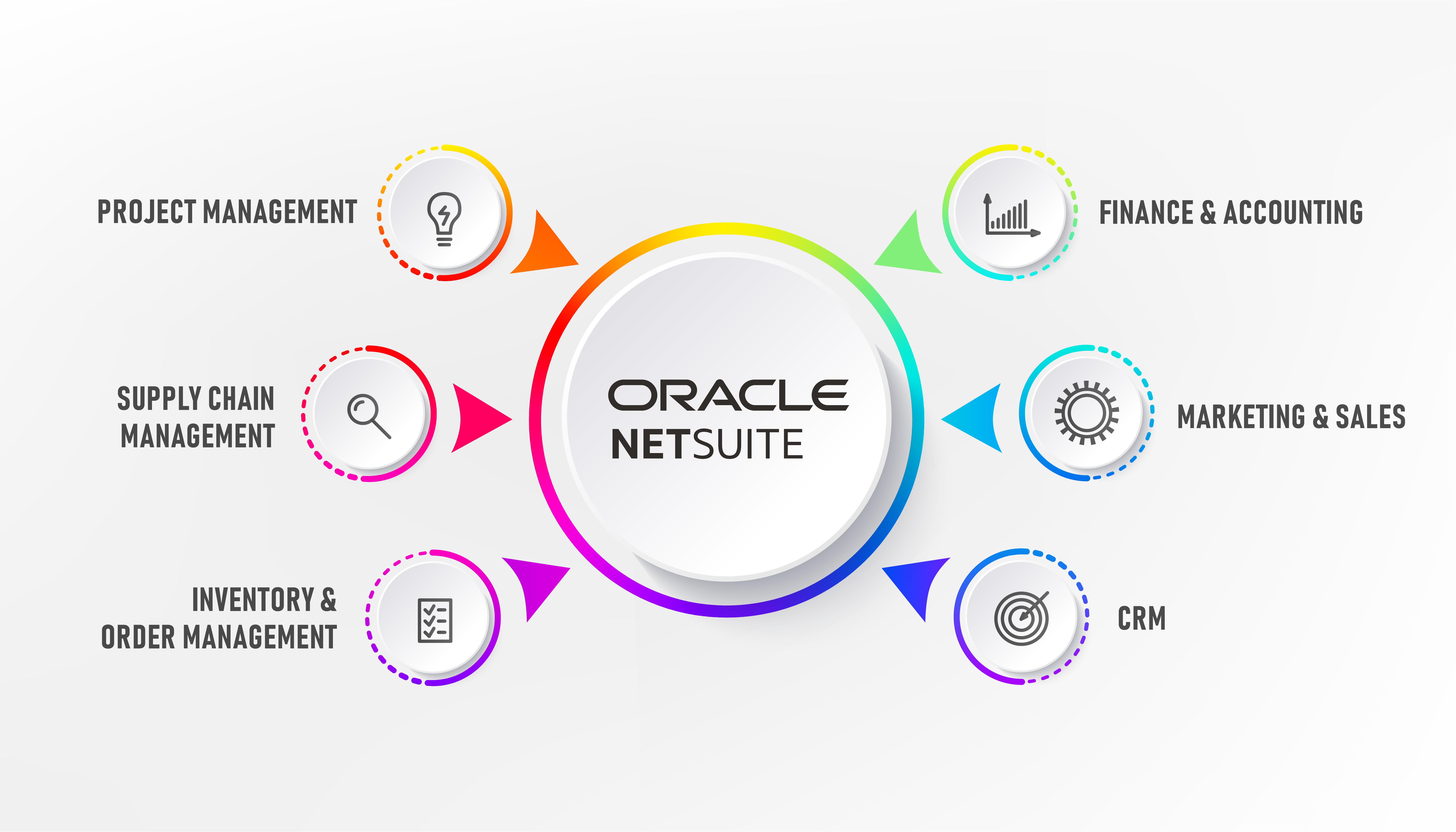
Let’s delve into the functionalities that truly matter. Both NetSuite and Oracle’s ERP suites offer a wide range of functionalities, including financial management, supply chain management, customer relationship management (CRM), and human capital management (HCM). However, the depth and breadth of these functionalities can differ. NetSuite, known for its user-friendly interface and intuitive design, often gets praise for its ease of use, especially for non-technical users. This is a significant advantage, as it allows employees across different departments to easily access and utilize the system without requiring extensive training. Oracle’s ERP solutions, while powerful, can sometimes be more complex to navigate, potentially requiring specialized training for users. This difference in user experience can have a significant impact on adoption rates and overall productivity. The ease of use directly translates to faster implementation times and higher user satisfaction. Consider the long-term impact on your employees’ efficiency and satisfaction when making your decision. A system that’s easy to use fosters a more productive and engaged workforce.
Finally, let’s talk about the cost. This is always a critical factor. NetSuite’s cloud-based model offers a more predictable and potentially lower upfront cost compared to Oracle’s on-premise solutions. However, the ongoing subscription fees for NetSuite can add up over time. Oracle’s on-premise solutions, while requiring a higher initial investment, might offer long-term cost savings if properly managed. The total cost of ownership (TCO) for both solutions needs careful evaluation, considering factors such as implementation costs, ongoing maintenance, training, and support. It’s crucial to obtain detailed quotes from both vendors, outlining all associated costs and potential hidden expenses. Don’t hesitate to negotiate and compare apples to apples. Remember, the cheapest option isn’t always the best option; consider the long-term value and return on investment (ROI) of each solution. A thorough cost-benefit analysis is crucial before making a decision. Think of it as investing in a long-term partnership; you want to choose a partner that offers both value and stability.
Choosing between Oracle NetSuite and other ERP solutions, including Oracle’s own offerings, is a significant decision. It’s a strategic investment that will impact your business for years to come. Don’t rush the process. Take your time to thoroughly evaluate your business needs, budget, and long-term goals. Consider your team’s technical expertise and your company’s growth trajectory. Talk to vendors, get demos, and seek advice from experienced consultants. Remember, the right ERP system is not just about software; it’s about finding a strategic partner that can help you achieve your business objectives. The journey to finding the perfect fit might seem daunting, but with careful planning and due diligence, you can find the solution that empowers your business to thrive. And remember, this isn’t just a technology purchase; it’s an investment in your future.