Gartner’s Cloud ERP Magic Quadrant: Navigating the Shifting Sands of Enterprise Resource Planning
So, you’re thinking about cloud ERP, huh? Good on you. It’s a big decision, a real game-changer for most businesses, and honestly, it can feel a bit like wading through quicksand without a roadmap. That’s where Gartner comes in. Their Cloud ERP Magic Quadrant is practically the industry bible, a hefty tome that helps you cut through the marketing hype and get to the nitty-gritty of what each vendor actually offers. I’ve spent years wrestling with these reports, helping companies navigate the complexities of ERP selection, and let me tell you, it’s a journey. It’s not just about picking the "best" software; it’s about finding the right fit for your unique business needs, your culture, your budget, and your long-term strategic goals. Ignoring the Gartner report when making this decision is like trying to build a house without blueprints – it’s possible, but incredibly risky.
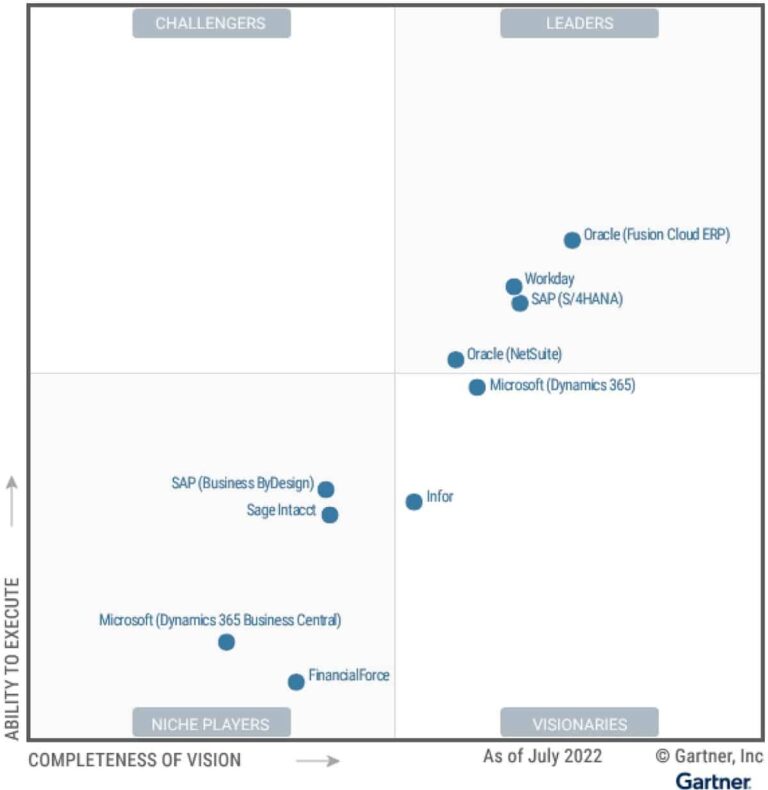
The sheer volume of information in the Gartner Cloud ERP Magic Quadrant can be overwhelming. They analyze vendors across multiple dimensions, considering factors like completeness of vision and ability to execute. It’s not just about the features; it’s about how well the vendor integrates those features, how robust their support is, their financial stability, and their overall market presence. You need to understand what these metrics actually mean for your business. For instance, a vendor with a high "completeness of vision" might have a fantastic long-term strategy, but if their "ability to execute" is low, you might find yourself stuck with a system that promises the world but delivers very little. The key is to understand your priorities and weigh those against Gartner’s assessment. This isn’t a one-size-fits-all solution; the "best" vendor for a multinational corporation will likely be very different from the "best" vendor for a small, rapidly growing startup. You need to carefully consider your specific requirements and then use the Gartner report to filter and refine your options. Don’t just focus on the leaders; sometimes, niche players in the Challenger or Visionary quadrants might be a better fit for your unique situation.
Think of it like choosing a car. Gartner provides the specs – horsepower, fuel economy, safety ratings. But you also need to consider your personal needs: Do you need a family-sized SUV, a sporty coupe, or a fuel-efficient compact car? Similarly, Gartner’s analysis provides the technical specifications of different ERP systems, but you need to assess your business needs and long-term strategy to determine which system best aligns with your goals. Are you looking for a system that can scale with your growth? Do you need specific industry-specific functionalities? Do you prioritize ease of use and quick implementation, or are you willing to invest more time and resources in a more complex but ultimately more powerful system? These are all crucial questions to answer before you even start digging into the Gartner report. And remember, the report is a snapshot in time. The landscape is constantly evolving, so regular review and updates are essential. Don’t just rely on a single report; keep an eye on industry news and trends to ensure you’re making informed decisions.
Understanding Gartner’s Evaluation Criteria in the Cloud ERP Landscape
Gartner’s methodology is rigorous, and understanding their evaluation criteria is key to interpreting the Magic Quadrant effectively. They don’t just hand out rankings based on gut feeling; there’s a sophisticated process behind it. They assess vendors across various dimensions, focusing on both the completeness of their vision for the future of cloud ERP and their ability to execute on that vision in the present. The "completeness of vision" assesses a vendor’s strategic direction, their understanding of market trends, and their innovative capabilities. This is about looking beyond the current features and considering the long-term potential of the system. A vendor with a strong vision might be investing heavily in AI, machine learning, or other cutting-edge technologies that could provide a significant competitive advantage in the future. But a strong vision alone isn’t enough. A vendor needs to be able to deliver on its promises. That’s where the "ability to execute" comes in.
This aspect evaluates factors such as the vendor’s market share, its financial stability, its customer base, its product functionality, and the overall quality of its implementation and support services. A vendor might have a brilliant vision, but if they can’t deliver a stable, reliable product with excellent customer support, then that vision is meaningless. Gartner also considers other important factors, such as the vendor’s overall market presence, its partnerships, and its ability to innovate. They analyze customer feedback, conduct interviews, and thoroughly review the vendors’ product offerings. The result is a detailed and nuanced assessment that provides valuable insights into the strengths and weaknesses of each vendor. It’s not just a simple ranking; it’s a comprehensive analysis that helps you understand the complexities of the cloud ERP market. Don’t just focus on the overall ranking. Dig deeper into the individual criteria to understand why a particular vendor is positioned where it is.
This is where the real value of the Gartner report lies. It allows you to compare vendors not just on their overall score, but also on specific aspects that are relevant to your business needs. Maybe you prioritize ease of implementation, in which case you’ll want to pay close attention to Gartner’s assessment of that specific criterion. Or perhaps you’re in a highly regulated industry, and security is your top priority. Again, Gartner’s report will provide valuable insights into the security features and compliance certifications of different vendors. By carefully analyzing the different criteria, you can create a shortlist of vendors that best meet your specific requirements. It’s not just about picking the leader; it’s about finding the right fit for your unique business needs and circumstances. Remember, the "best" vendor is subjective and depends entirely on your specific context.
Beyond the Quadrant: Using Gartner Research for Strategic Cloud ERP Decisions
The Gartner Magic Quadrant is just one piece of the puzzle. While it’s an incredibly valuable resource, it shouldn’t be the sole basis for your ERP selection decision. Gartner offers a wealth of other research reports, including critical capabilities reports, market guides, and vendor profiles, that can provide a more comprehensive understanding of the cloud ERP landscape. These reports delve deeper into specific functionalities and aspects of cloud ERP, providing a more granular level of detail. For example, a critical capabilities report might focus on specific features like supply chain management or financial planning and analysis, allowing you to compare vendors based on their strengths and weaknesses in those specific areas.
Think of the Magic Quadrant as a high-level overview, providing a general sense of the market landscape and the relative strengths of different vendors. The other Gartner reports provide the detailed blueprints, allowing you to examine specific areas of functionality and make more informed decisions. Don’t be afraid to explore these additional resources. They can help you identify potential gaps in your current ERP system and determine which vendors are best equipped to address those gaps. Remember, selecting an ERP system is a long-term commitment. You want to choose a system that can adapt to your changing business needs and support your growth for years to come. Gartner’s research can help you make that informed decision, ensuring that your investment in cloud ERP pays off in the long run.
Furthermore, don’t just passively consume the Gartner reports. Engage actively with the information. Consider your own business challenges and opportunities. How can cloud ERP help you overcome those challenges and capitalize on those opportunities? Think about your specific industry and the unique requirements it imposes. Does your industry have specific regulatory compliance requirements? Are there specific functionalities that are crucial for success in your industry? These are all critical considerations that should inform your interpretation of Gartner’s findings. The reports are a guide, not a definitive answer. They provide the data; you need to apply your business acumen to make the right decision for your organization. Don’t hesitate to reach out to Gartner analysts or attend their webinars to gain a deeper understanding of their research and methodologies. The more you understand their approach, the better equipped you’ll be to interpret their findings and make informed decisions.
Practical Steps: Leveraging Gartner Cloud ERP Insights for Your Business
So, you’ve digested the Gartner Magic Quadrant, you’ve explored other relevant reports, and you’ve considered your specific business needs. Now what? The next step is to create a shortlist of potential vendors based on your findings. Don’t be afraid to go beyond the leaders in the Magic Quadrant. Sometimes, a Challenger or Visionary vendor might be a better fit for your specific needs and budget. Consider factors like implementation costs, ongoing maintenance fees, and the level of customization required. These costs can significantly impact your overall ROI.
Once you have a shortlist, the next step is to conduct thorough due diligence. This involves contacting each vendor, requesting demos, and speaking with their existing customers. Ask tough questions. Don’t be afraid to push back on their claims. Get a clear understanding of their implementation process, their support services, and their overall approach to customer satisfaction. Pay close attention to how well they listen to your needs and how effectively they can address your concerns. This is a crucial step in ensuring that you choose a vendor that is a good fit for your organization’s culture and working style. Remember, you’re not just buying software; you’re entering into a long-term partnership.
Finally, don’t underestimate the importance of a well-defined implementation plan. A successful ERP implementation requires careful planning, meticulous execution, and ongoing support. Work closely with your chosen vendor to develop a detailed implementation plan that addresses all aspects of the project, from data migration to user training. Establish clear timelines, milestones, and key performance indicators (KPIs) to track progress and ensure that the project stays on track. Remember, a successful ERP implementation is a team effort. It requires collaboration between your internal team and the vendor’s implementation team. Open communication, clear expectations, and a shared commitment to success are essential for a smooth and efficient implementation. The Gartner research provides the foundation for your decision, but the success of your cloud ERP journey ultimately depends on your ability to execute effectively.