Navigating the Cloud Compliance Maze: Your Guide to Software Solutions
The cloud has revolutionized the way we work, offering unparalleled flexibility, scalability, and cost-effectiveness. But with this shift comes a new set of challenges, particularly when it comes to ensuring compliance with data privacy regulations and security standards. This is where cloud compliance software steps in, acting as your trusted guide through the labyrinth of regulations and best practices.
Think of cloud compliance software as a digital guardian, ensuring your data remains safe and secure in the cloud. It’s a vital tool for businesses of all sizes, helping them navigate the complexities of compliance and maintain a strong security posture. But with so many options available, choosing the right software can feel overwhelming. That’s why I’m here to break down the essentials, helping you understand the different types of cloud compliance software, their key features, and how to select the best solution for your specific needs.
The Importance of Cloud Compliance Software
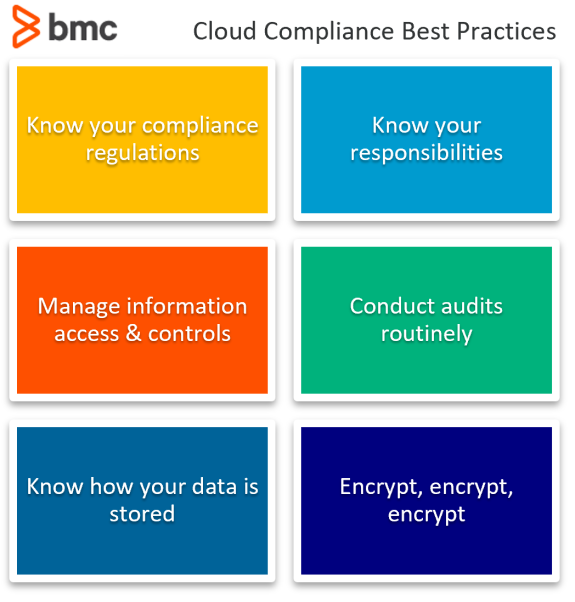
In today’s data-driven world, compliance is no longer a mere checkbox exercise. It’s a critical aspect of maintaining trust with your customers, partners, and regulators. Failing to comply with regulations like GDPR, HIPAA, and PCI DSS can result in hefty fines, reputational damage, and loss of customer confidence.
Cloud compliance software plays a pivotal role in mitigating these risks. It automates key compliance tasks, streamlines audits, and provides real-time visibility into your cloud environment, empowering you to proactively manage compliance and identify potential vulnerabilities before they become major issues.
Imagine a scenario where you’re a healthcare provider storing sensitive patient data in the cloud. Without proper cloud compliance software, you risk exposing this data to unauthorized access, leading to breaches and potential legal repercussions. But with the right software in place, you can establish robust security measures, encrypt data at rest and in transit, and track user activity, ensuring that your patient data remains safe and secure.
Types of Cloud Compliance Software
Cloud compliance software comes in various flavors, each tailored to address specific compliance requirements and organizational needs. Here’s a breakdown of the most common types:
- Cloud Access Security Broker (CASB): CASBs act as a security gatekeeper between your cloud applications and your users. They enforce access policies, monitor user activity, and detect potential threats, helping you control access to sensitive data and prevent unauthorized actions.
- Data Loss Prevention (DLP): DLP solutions focus on preventing sensitive data from leaving your organization’s control. They monitor data flow, identify potentially sensitive information, and block unauthorized data transfers, ensuring that critical data remains within your organization’s boundaries.
- Cloud Security Posture Management (CSPM): CSPMs provide a comprehensive view of your cloud security posture, identifying vulnerabilities, misconfigurations, and compliance gaps. They automate security checks, generate reports, and provide actionable insights to help you improve your overall security posture.
- Cloud Security Information and Event Management (SIEM): SIEM solutions collect and analyze security events from various cloud sources, providing real-time insights into potential threats. They help you detect and respond to security incidents faster, minimizing damage and downtime.
- Cloud Workload Protection Platforms (CWPP): CWPPs focus on securing your cloud workloads, providing comprehensive protection against threats targeting your applications and infrastructure. They offer features like runtime threat detection, workload isolation, and vulnerability scanning.
Key Features of Cloud Compliance Software
Choosing the right cloud compliance software requires careful consideration of its key features. Here are some crucial aspects to look for:
- Compliance Automation: The software should automate key compliance tasks, such as policy enforcement, vulnerability scanning, and reporting, reducing manual effort and freeing up your team to focus on strategic initiatives.
- Policy Management: It should allow you to define and enforce granular policies across your cloud environment, ensuring that only authorized users have access to specific data and resources.
- Threat Detection and Response: The software should provide robust threat detection capabilities, including real-time monitoring, anomaly detection, and automated incident response, helping you quickly identify and address potential security breaches.
- Audit and Reporting: It should offer comprehensive audit trails and reporting capabilities, providing clear documentation of your compliance activities and enabling you to demonstrate compliance to regulators.
- Integration and Scalability: The software should integrate seamlessly with your existing cloud infrastructure and applications, and it should be scalable to accommodate your growing needs.
- User-Friendly Interface: The software should have a user-friendly interface that is easy to navigate and understand, making it accessible to users of all technical skill levels.
Choosing the Right Cloud Compliance Software
Selecting the best cloud compliance software for your organization depends on several factors, including:
- Industry and Regulations: Consider the specific regulations and industry standards relevant to your business, such as HIPAA for healthcare or PCI DSS for financial services.
- Cloud Platform: Choose software compatible with your preferred cloud platform, such as AWS, Azure, or Google Cloud.
- Data Sensitivity: Evaluate the sensitivity of the data you store in the cloud and select software with robust security features to protect it.
- Budget and Resources: Consider your budget and available resources when choosing software, balancing functionality with cost-effectiveness.
- Security Expertise: Assess your team’s security expertise and choose software with features and support that match your skill level.
The Future of Cloud Compliance Software
The landscape of cloud compliance software is constantly evolving, with new technologies and innovations emerging all the time. We can expect to see a greater emphasis on:
- Artificial Intelligence (AI): AI-powered security analytics and threat detection will play a more prominent role in cloud compliance software, enabling faster and more accurate threat identification and response.
- DevSecOps: Cloud compliance software will increasingly integrate with DevOps practices, enabling security to be built into the software development lifecycle from the beginning.
- Cloud-Native Security: As organizations embrace cloud-native architectures, cloud compliance software will need to adapt to protect these new environments and ensure compliance across the entire cloud stack.
Conclusion
Cloud compliance software is no longer a luxury but a necessity for any organization operating in the cloud. By leveraging the right software, you can navigate the complexities of compliance, ensure the security of your data, and maintain a strong security posture. As you embark on your cloud compliance journey, remember to carefully evaluate your needs, research different software options, and choose the solution that best aligns with your specific requirements and goals. With the right tools and strategies, you can confidently embrace the cloud while maintaining the highest levels of security and compliance.