Oracle EBS to Fusion Cloud Migration: Your Roadmap to a Modern, Agile Future
Okay, let’s talk Oracle EBS to Fusion Cloud migration. I’ve been wrestling with enterprise resource planning (ERP) systems for years, seen the rise and fall of countless platforms, and helped countless companies navigate this treacherous, yet ultimately rewarding, transition. And trust me, migrating from Oracle EBS to Fusion Cloud isn’t a walk in the park. It’s a marathon, not a sprint. It demands meticulous planning, a deep understanding of your business processes, and a hefty dose of patience. But the payoff? A streamlined, agile, and future-proof business that’s ready to take on whatever the digital landscape throws at it. Think of it as upgrading from a clunky old car to a sleek, electric Tesla – the initial investment is significant, but the long-term benefits are undeniable. You’ll be amazed at the efficiency gains, the reduced IT costs, and the improved decision-making capabilities.
Assessing Your Current EBS Landscape: The Foundation for Success
Before even thinking about lifting a finger to migrate, you need a crystal-clear understanding of your current EBS environment. This isn’t about a quick glance; this is about a deep dive. You need to meticulously document every single module you’re using, every customization you’ve implemented, and every integration you’ve built. Think of it as creating a detailed blueprint of your current system. Why is this so crucial? Because this blueprint will be your guide throughout the entire migration process. Without it, you’re essentially navigating a maze blindfolded. You’ll encounter unexpected roadblocks, encounter unforeseen costs, and potentially derail the entire project. I’ve seen it happen countless times. Companies rush into migration without proper assessment, only to find themselves bogged down in complexities they hadn’t anticipated. They underestimated the time, the resources, and the sheer magnitude of the task. So, take your time. Engage your IT team, your business users, and even external consultants if needed. The more thorough your assessment, the smoother your migration will be. Don’t cut corners here; this is the bedrock of a successful transition. Consider data cleansing – a crucial step often overlooked. Dirty data will follow you into the cloud, creating issues down the line. Invest the time and resources to clean your data now, ensuring accuracy and reliability in your new Fusion Cloud environment. This will save you headaches later. Remember, this isn’t just about moving data; it’s about transforming your business processes for optimal efficiency in the cloud.
Choosing the Right Migration Approach: A Tailored Strategy
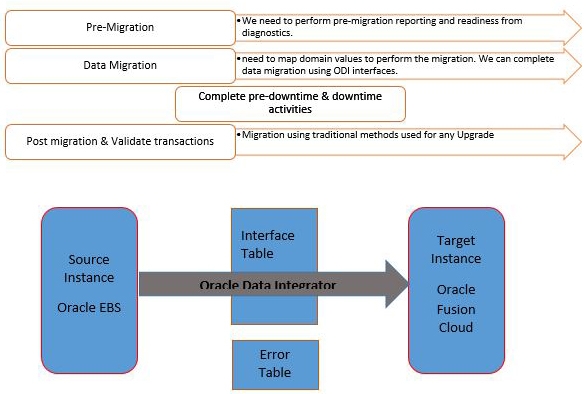
Once you’ve got a firm grasp of your EBS landscape, it’s time to decide on a migration approach. This isn’t a one-size-fits-all scenario. Oracle offers several migration paths, each with its own pros and cons. You’ve got your phased approach, where you migrate modules incrementally, your big bang approach, where you move everything at once (risky but potentially faster), and a hybrid approach, a blend of the two. The best approach depends entirely on your specific needs, your resources, and your risk tolerance. A phased approach allows for a more controlled migration, minimizing disruption to your business operations. However, it can take longer and be more expensive in the long run. A big bang approach is faster but carries a higher risk of failure. A hybrid approach offers a balance, allowing you to migrate critical modules quickly while phasing in others. Consider your business continuity requirements. How much downtime can you afford? What’s the impact on your operations if the migration fails? These are critical questions to answer before making a decision. Don’t just rely on your IT team; involve your business stakeholders. They need to understand the implications of each approach and contribute to the decision-making process. Remember, this is a collaborative effort. The success of your migration depends on everyone being on the same page. Engage with Oracle’s experts too; they can provide valuable insights and guidance based on their experience with countless migrations.
Mastering the Migration Process: Execution and Optimization
The actual migration process is where the rubber meets the road. This is where all your meticulous planning and strategic decisions come into play. You’ll need a dedicated project team with the right skills and experience. You’ll need robust testing procedures to ensure data integrity and system stability. And you’ll need a comprehensive communication plan to keep all stakeholders informed throughout the process. Don’t underestimate the importance of testing. Thorough testing is crucial to identify and resolve any issues before they impact your live environment. This includes unit testing, integration testing, and user acceptance testing. Each phase of testing is critical to ensuring a smooth transition. Regular communication is equally vital. Keep your users informed about the progress of the migration, any potential disruptions, and what they can expect. Transparency builds trust and minimizes anxiety. Consider employing change management strategies to help users adapt to the new system. Training is crucial, and it shouldn’t be a one-off event. Provide ongoing support and resources to ensure users are comfortable with the new system. Don’t forget about data validation. After the migration, verify that your data has been transferred accurately and completely. This is a critical step to ensure the integrity of your business processes. Remember, the migration isn’t just about moving data; it’s about transforming your business operations.
Post-Migration Optimization: Sustaining Success in the Cloud
Congratulations! You’ve successfully migrated from Oracle EBS to Fusion Cloud. But the journey doesn’t end there. Post-migration optimization is just as crucial as the migration itself. This is where you fine-tune your new system to maximize its efficiency and effectiveness. You’ll need to monitor system performance, identify areas for improvement, and make adjustments as needed. This is an ongoing process, not a one-time event. Regular monitoring will help you identify any performance bottlenecks or issues that need to be addressed. Leverage Fusion Cloud’s analytics capabilities to gain insights into your business processes and identify areas for optimization. This is where the real value of the cloud comes into play – the ability to continuously improve and adapt. Consider automating tasks to further streamline your operations. Fusion Cloud offers robust automation capabilities that can significantly improve efficiency. Don’t be afraid to experiment and explore new features. Fusion Cloud is constantly evolving, and there are always new functionalities and improvements being released. Stay informed and leverage these advancements to optimize your system. Finally, don’t forget about ongoing training and support for your users. As your business evolves, so too will your needs. Ensure your team has the skills and resources to effectively use the new system. The post-migration phase is where you truly reap the rewards of your efforts. It’s the opportunity to transform your business operations and achieve significant improvements in efficiency, agility, and overall performance.
The Long-Term Vision: Embracing the Future of ERP
Migrating from Oracle EBS to Fusion Cloud isn’t just about upgrading your ERP system; it’s about embracing the future of enterprise resource planning. It’s about leveraging the power of the cloud to achieve greater agility, scalability, and efficiency. It’s about transforming your business operations and positioning your company for success in the ever-evolving digital landscape. Think of it as an investment in your future. An investment that will pay dividends for years to come. The cloud offers a level of flexibility and scalability that simply wasn’t possible with on-premise systems. You can easily scale your resources up or down based on your needs, avoiding the costly overprovisioning that often plagues on-premise deployments. The cloud also provides access to cutting-edge technologies and innovations that can help you drive business growth and improve decision-making. But the journey doesn’t end with the migration. It’s an ongoing process of continuous improvement, adaptation, and innovation. Stay informed about the latest trends and technologies, and continuously seek ways to optimize your Fusion Cloud environment. Embrace the cloud’s potential to transform your business, and you’ll be well-positioned for success in the years to come. It’s a commitment, yes, but a commitment that will ultimately empower your organization with the tools and technologies it needs to thrive in today’s dynamic business environment. The future is cloud-based, and the sooner you embrace it, the better.