Oracle ERP for Small Business: Is it the Right Fit for Your Growing Company?
Okay, let’s talk Oracle ERP and small businesses. I’ve been wrestling with this topic for weeks, partly because it’s complex, and partly because the marketing hype often overshadows the practical realities. My goal here isn’t to sell you anything, but to give you a realistic, no-nonsense look at whether Oracle ERP is the right solution for your burgeoning enterprise. I’ve seen too many small businesses get sucked into expensive, complicated systems that ultimately hinder, rather than help, their growth. So, let’s cut through the jargon and get down to brass tacks. The truth is, Oracle’s reputation precedes it – it’s a heavyweight champion in the enterprise resource planning (ERP) world, known for its robust capabilities and scalability. But that power comes at a price, both financially and in terms of complexity. For a small business just starting to find its feet, that might be more than you need, or even more than you can handle.
The initial investment is a big hurdle. We’re not just talking about the software license; you’ll need implementation services, potentially custom development, ongoing maintenance, and training for your staff. This can easily run into tens of thousands of dollars, maybe even more depending on your specific needs and the scale of your business. Consider the ongoing costs too – these aren’t small change. You’ll be paying for regular updates, support, and potentially additional modules as your business grows and evolves. It’s a significant commitment, one that needs careful consideration, especially for a business that’s still finding its footing. Before you even think about signing on the dotted line, you need a crystal-clear understanding of your current and future needs. What are your pain points? What processes are inefficient? What kind of growth are you anticipating? Only by answering these questions honestly can you determine if the substantial investment in Oracle ERP is justified. Think of it like buying a sports car when you only need a reliable family sedan. It might be impressive, but it’s impractical and expensive.
Then there’s the learning curve. Oracle ERP isn’t exactly known for its user-friendliness. It’s a powerful system, but it’s also incredibly complex. This means your team will need extensive training to use it effectively. This training isn’t a one-time thing; you’ll need ongoing support and refresher courses as new features are added and as staff turnover occurs. Think about the time investment involved in training your employees, the potential disruption to your workflow during the training period, and the ongoing cost of maintaining that expertise. This isn’t something you can just brush aside. Consider the impact on productivity during the transition phase. Will your team be able to effectively manage the learning curve while still maintaining their day-to-day responsibilities? This is crucial. If the implementation process is poorly managed, it can lead to frustration, errors, and ultimately, a significant loss of productivity. It’s a double-edged sword – the system itself can boost efficiency, but the implementation can be a major drain on resources.
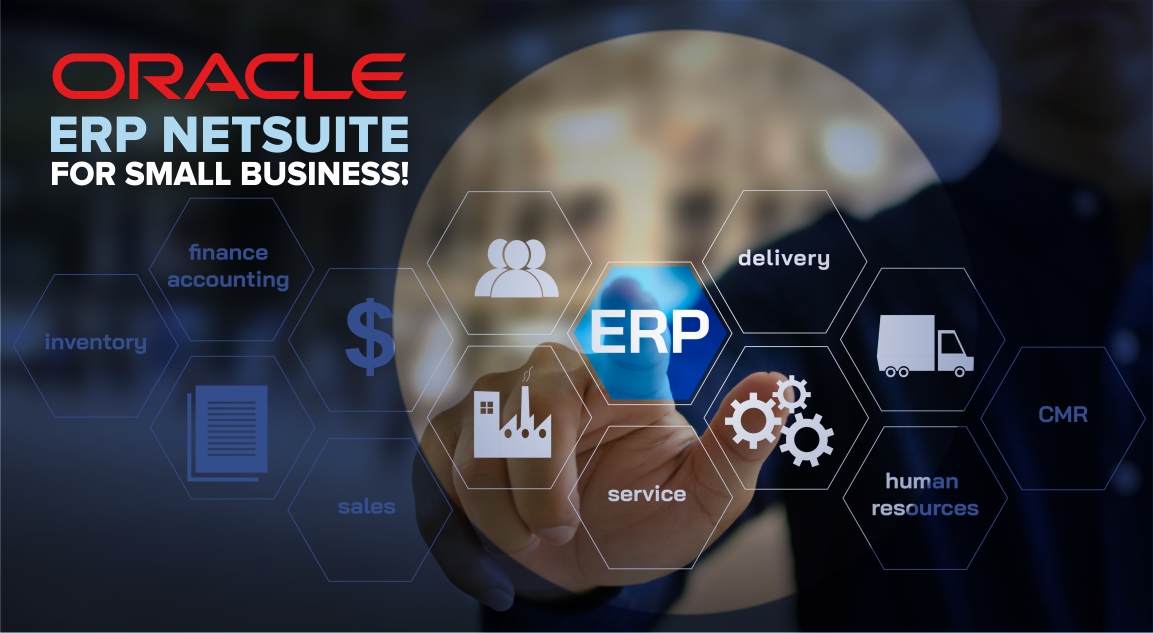
Let’s talk about alternatives. Before you jump into the Oracle ERP pool, it’s essential to explore other options available for small businesses. The market is brimming with cloud-based ERP solutions specifically designed for smaller companies. These systems are often more affordable, easier to implement, and much simpler to use. They might not offer the same breadth of features as Oracle, but they often provide the core functionalities that a small business needs – accounting, inventory management, customer relationship management (CRM), and project management. These cloud-based solutions often come with excellent customer support and readily available online resources, making the learning curve significantly less steep. Think about your specific needs – do you really need all the bells and whistles that Oracle offers? Probably not, especially in the early stages of your business growth. A more streamlined, cost-effective solution might be a far better fit. Start by identifying your core business needs and then research solutions that specifically address those needs. Don’t get swayed by fancy features you might never use.
Now, let’s address the elephant in the room: scalability. Oracle’s strength lies in its ability to scale with your business. As you grow, you can add more modules and users without significant disruption. That’s a compelling argument, especially if you envision substantial growth in the near future. However, this scalability comes at a cost. You’ll be paying for features you might not need right now, and the complexity of the system can become overwhelming as you add more users and modules. It’s a double-edged sword – the scalability is there, but it’s a costly investment upfront and potentially a costly burden if your growth trajectory doesn’t match your initial projections. Before you invest in Oracle ERP based on its scalability, carefully consider your growth projections and whether the potential benefits outweigh the significant upfront and ongoing costs. Perhaps a more agile, scalable cloud-based solution could provide a better balance between cost and future growth.
The integration aspect is another critical consideration. Oracle ERP can integrate with various other systems, but that integration can be complex and expensive. You might need specialized consultants to ensure seamless data flow between your different systems. This adds another layer of cost and complexity to the implementation process. Consider the potential integration points – will you need to integrate your ERP system with your CRM, e-commerce platform, or other business applications? If so, thoroughly investigate the integration capabilities of Oracle ERP and the associated costs. Don’t underestimate the complexity of integrating different systems; it can easily become a major bottleneck if not handled properly. Again, consider alternatives. Some cloud-based ERP systems are designed with seamless integration in mind, simplifying the process and reducing the associated costs.
Customization is another area where Oracle ERP can be both a blessing and a curse. You can customize the system to fit your specific business processes, but this customization can be time-consuming, expensive, and potentially risky. It can also make future upgrades more challenging. Think carefully about whether you really need extensive customization. Often, adapting your business processes to fit the standard features of an ERP system is a more cost-effective and less risky approach. Remember, customization can quickly spiral out of control, both in terms of cost and time. It’s crucial to weigh the benefits against the potential drawbacks before embarking on a significant customization project. A more modular, adaptable system might be a better fit if you anticipate needing significant customization in the future.
Finally, let’s talk about support. Oracle provides support for its ERP system, but it can be expensive. You might need to invest in additional support contracts to ensure you have the necessary assistance when you need it. The cost of support can quickly add up, especially if you encounter unexpected issues or require extensive customization. Think about the level of support you’ll need and factor that cost into your overall budget. Compare this with the support offered by other ERP vendors. Some cloud-based solutions offer comprehensive support at a fraction of the cost of Oracle. Don’t overlook the importance of support; it can be crucial during implementation and throughout the life cycle of your ERP system. Choose a vendor that provides the level of support you need at a price you can afford.
So, there you have it. My brutally honest take on Oracle ERP for small businesses. It’s a powerful system, but it’s not a one-size-fits-all solution. For many small businesses, the cost, complexity, and implementation challenges might outweigh the benefits. Carefully consider your specific needs, your budget, and your growth trajectory before making a decision. Explore all your options, including cloud-based alternatives, and don’t be afraid to ask tough questions. Remember, the right ERP system can be a game-changer, but the wrong one can be a significant drain on your resources. Choose wisely.