Oracle SaaS ERP: Your Roadmap to Streamlined Business Operations
Let’s talk Oracle SaaS ERP. I’ve been wrestling with enterprise resource planning systems for years – from the clunky, on-premise behemoths of the past to the sleek, cloud-based solutions of today. And Oracle’s SaaS ERP offering? It’s a game-changer. I’ve seen firsthand how it can transform a business, streamlining processes, boosting efficiency, and freeing up valuable resources. But it’s not just about the technology; it’s about the journey, the strategic planning, and the ongoing commitment to optimization. This isn’t a quick fix; it’s a long-term investment in your company’s future. Think of it as a marathon, not a sprint. You need to understand the terrain, pace yourself, and have a clear destination in mind. And that’s what I aim to help you with here.
Understanding the Oracle SaaS ERP Landscape
First off, let’s get something straight: Oracle SaaS ERP isn’t a one-size-fits-all solution. It’s a suite of interconnected cloud-based applications designed to handle various aspects of your business, from finance and human resources to supply chain management and customer relationship management. You need to carefully consider which modules are relevant to your specific needs and business size. Trying to implement everything at once is a recipe for disaster. Start small, focus on the areas that will deliver the biggest impact, and gradually expand your implementation as you gain experience and confidence. Think of it like building a house – you wouldn’t try to build the entire thing at once, would you? You start with the foundation, then the walls, and so on. A phased approach is crucial for success. The beauty of Oracle’s SaaS model lies in its flexibility. You can scale up or down as needed, adding or removing modules as your business evolves. This adaptability is a significant advantage over traditional on-premise systems, which are notoriously inflexible and expensive to modify. That’s a huge weight off your shoulders, especially in today’s rapidly changing business environment. This allows for greater agility and responsiveness to market demands. You can react quickly to opportunities and challenges without being bogged down by cumbersome legacy systems. Remember, the goal is to create a system that supports your growth, not hinders it.
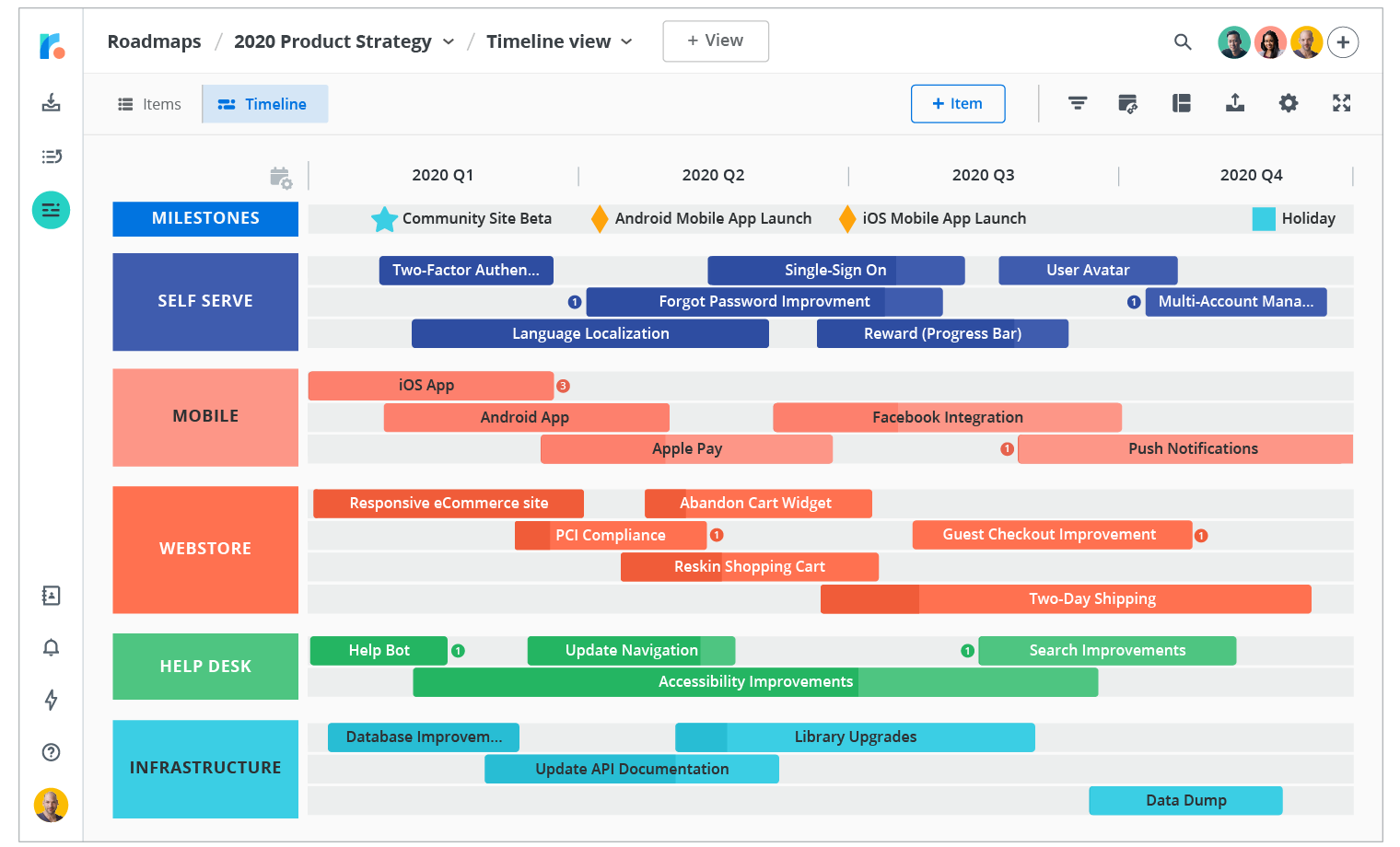
Choosing the right modules is paramount. Finance, for example, is often a priority. Oracle’s cloud-based financial management tools offer real-time insights into your financial performance, allowing for better decision-making. But what about your supply chain? If you’re a manufacturing company, integrating supply chain management into your ERP system can significantly improve efficiency and reduce costs. Human resources is another critical area. Oracle’s HCM cloud solutions can streamline HR processes, improve employee engagement, and enhance talent management. The key is to carefully assess your business needs and prioritize the modules that will deliver the most value. Don’t get caught up in the hype; focus on what’s truly essential for your success. And remember, you can always add more modules later. This phased approach minimizes risk and maximizes the return on your investment. It’s all about building a robust, scalable, and adaptable system that grows with your business. It’s not just about the technology; it’s about the strategy.
Beyond the core modules, consider the integrations. Oracle SaaS ERP integrates seamlessly with other Oracle cloud applications, as well as third-party solutions. This interoperability is a key differentiator. It allows you to create a unified, holistic view of your business, breaking down data silos and fostering better collaboration across departments. Imagine the possibilities: real-time data sharing between sales, marketing, and operations, leading to improved customer service and increased revenue. This interconnectedness is what truly unlocks the power of Oracle SaaS ERP. It’s not just about individual applications; it’s about the ecosystem they create. But remember, successful integration requires careful planning and execution. It’s not a plug-and-play solution; it requires expertise and attention to detail. Consider engaging experienced consultants to guide you through the process and ensure a smooth transition. Think of them as your sherpa, guiding you through the complexities of integration and ensuring you reach your destination safely and efficiently. This investment in expertise is crucial for a successful implementation.
Implementing Oracle SaaS ERP: A Strategic Approach
Implementing Oracle SaaS ERP is a significant undertaking. It’s not simply a matter of installing software; it’s a transformative process that requires careful planning, meticulous execution, and ongoing commitment. This isn’t a project you can rush; it requires a strategic approach that aligns with your overall business goals. Think of it as a carefully orchestrated symphony, where every instrument plays its part in creating a harmonious whole. And like any complex project, it requires a strong conductor – a project manager who can keep everything on track and ensure that all stakeholders are aligned. This is where experienced consultants come into play. Their expertise can save you time, money, and headaches. They’ve seen it all before, and they know how to navigate the complexities of an ERP implementation. They can help you define your requirements, develop a realistic timeline, and manage the risks associated with such a large-scale project. Remember, this isn’t just about technology; it’s about people.
Data migration is another critical aspect of the implementation process. Moving your existing data to the new system requires careful planning and execution. Inaccurate or incomplete data can lead to problems down the line, so it’s crucial to ensure data integrity throughout the migration process. This often involves data cleansing and validation, ensuring that your data is accurate, consistent, and ready for use in the new system. This is where experienced data migration specialists can be invaluable. They possess the expertise and tools to ensure a smooth and efficient data migration, minimizing disruption to your business operations. Don’t underestimate the importance of data quality; it’s the foundation upon which your entire ERP system will be built. Garbage in, garbage out, as they say. Invest the time and resources to ensure your data is clean and accurate. This will pay dividends in the long run. It’s about building a solid foundation for your future success.
User training is another often-overlooked aspect of ERP implementation. Your employees need to be properly trained on how to use the new system. Without adequate training, the implementation will likely fail. This involves developing comprehensive training materials, conducting hands-on training sessions, and providing ongoing support to users. Consider different learning styles and provide a variety of training methods to cater to your employees’ needs. This investment in training will pay off in the long run, ensuring that your employees are comfortable and confident using the new system. This will lead to increased productivity and efficiency. Remember, your employees are the key to the success of your ERP implementation. Their buy-in is essential for a smooth transition and ongoing success. Invest in their training and support; it’s an investment in your company’s future. Don’t underestimate the power of a well-trained workforce.
Maximizing the ROI of Oracle SaaS ERP
The ultimate goal of implementing Oracle SaaS ERP is to maximize your return on investment (ROI). This involves careful planning, efficient execution, and ongoing optimization. It’s not a one-time event; it’s an ongoing process of improvement and refinement. Think of it as a journey, not a destination. The journey begins with a clear understanding of your business goals and how Oracle SaaS ERP can help you achieve them. This requires a thorough needs assessment and a well-defined implementation plan. Don’t jump into the implementation without a clear understanding of your objectives. Know what you want to achieve and how you will measure success. This will help you stay focused and on track throughout the entire process. This is where setting key performance indicators (KPIs) comes into play.
Regular monitoring and optimization are crucial for maximizing ROI. This involves tracking key metrics, identifying areas for improvement, and making adjustments as needed. It’s an iterative process, constantly refining and improving the system to ensure it’s meeting your business needs. Think of it as continuous improvement, always striving to do better. This involves regular reviews of your processes, identifying bottlenecks, and streamlining workflows. It’s about continuous optimization, constantly seeking ways to improve efficiency and reduce costs. This is where your employees’ feedback is invaluable. They are the ones using the system every day, and they can provide valuable insights into areas for improvement. Encourage open communication and feedback; it’s a crucial component of ongoing optimization. Regular reviews and adjustments are essential to maintain the effectiveness of your Oracle SaaS ERP system.
Finally, remember that Oracle SaaS ERP is a long-term investment. It’s not a quick fix; it’s a strategic decision that requires ongoing commitment and resources. This includes ongoing maintenance, upgrades, and training. It’s about building a sustainable system that can adapt to the changing needs of your business. Think of it as a living organism, constantly evolving and adapting to its environment. This requires ongoing investment in technology, training, and support. But the long-term benefits far outweigh the costs. A well-implemented and optimized Oracle SaaS ERP system can significantly improve your business operations, increase efficiency, and boost your bottom line. It’s an investment in your company’s future, a commitment to growth and success. Don’t view it as an expense; view it as an investment in your future. The rewards will far outweigh the costs in the long run.