Streamline Your Inventory Management with Cloud Inventory Software
Let’s face it, managing inventory can be a real headache. From keeping track of stock levels to juggling purchase orders and fulfilling customer demands, it’s a constant juggling act that can easily spiral out of control. But what if there was a way to simplify this complex process, freeing up your time and resources to focus on growing your business? That’s where cloud inventory software comes in.
Cloud inventory software is a game-changer for businesses of all sizes. It provides a centralized platform for managing your entire inventory, from receiving goods to shipping orders. Gone are the days of clunky spreadsheets and manual data entry. With cloud inventory software, you can access real-time inventory data from anywhere, anytime, on any device. This means you’re always in control, no matter where you are.
Imagine the power of having a single, unified system that integrates seamlessly with your existing business operations. You can track stock levels, manage purchase orders, generate reports, and even automate tasks like order fulfillment. This level of automation not only saves you time and effort, but it also helps reduce errors and ensures accuracy across your entire inventory management process.
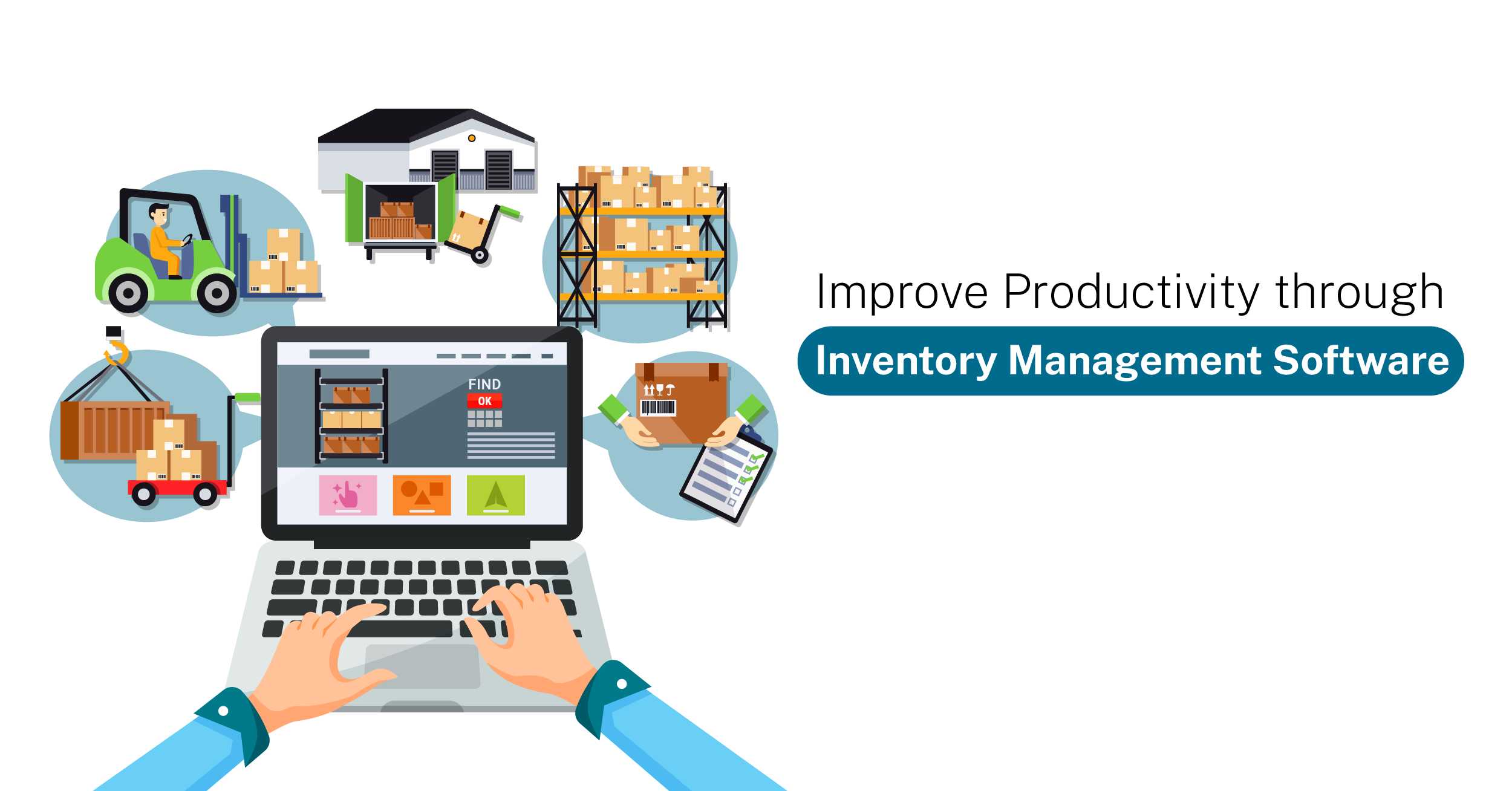
The Benefits of Cloud Inventory Software: A Game-Changer for Your Business
Moving your inventory management to the cloud offers a multitude of benefits that can significantly improve your business operations. Let’s delve deeper into the key advantages:
1. Enhanced Visibility and Real-Time Data: Imagine having a crystal-clear view of your entire inventory, in real-time. Cloud inventory software gives you exactly that, allowing you to track stock levels, monitor product movement, and identify potential shortages before they become a problem. This level of visibility empowers you to make informed decisions about your inventory, ensuring you always have the right products in the right quantities at the right time.
2. Streamlined Inventory Management: Say goodbye to the days of juggling spreadsheets and manual data entry. Cloud inventory software automates many of the tedious tasks associated with inventory management, saving you time and reducing errors. From receiving goods to processing orders, the entire process is streamlined, making your life easier and more efficient.
3. Improved Accuracy and Reduced Errors: One of the biggest challenges in inventory management is ensuring accuracy. Manual data entry and outdated systems can lead to errors, resulting in stock discrepancies, lost sales, and wasted resources. Cloud inventory software tackles this issue head-on by providing a centralized platform for managing your inventory data. This ensures that all information is accurate and up-to-date, minimizing the risk of errors and maximizing efficiency.
4. Enhanced Collaboration and Communication: Gone are the days of siloed information and fragmented workflows. Cloud inventory software fosters collaboration and communication across your entire team, enabling seamless information sharing and real-time updates. This means everyone is on the same page, working towards the same goals, and making informed decisions based on the most current data.
5. Increased Scalability and Flexibility: Your business is constantly evolving, and your inventory management system should be able to keep pace. Cloud inventory software offers unparalleled scalability and flexibility, allowing you to adapt to changing needs without the limitations of traditional on-premise solutions. As your business grows, you can easily scale your inventory management system to handle increased volume and complexity.
6. Cost-Effectiveness and Reduced Expenses: Moving your inventory management to the cloud can significantly reduce your operating costs. You eliminate the need for expensive hardware, software licenses, and IT maintenance, freeing up valuable resources to invest in other areas of your business. Cloud-based solutions also offer a pay-as-you-go pricing model, making them more affordable for businesses of all sizes.
7. Enhanced Security and Data Protection: Data security is paramount in today’s digital world, and cloud inventory software offers robust security features to protect your sensitive information. With data stored in secure cloud servers and encrypted in transit, you can rest assured that your inventory data is safe from unauthorized access and cyber threats.
Choosing the Right Cloud Inventory Software: A Guide for Success
With so many different cloud inventory software options available, choosing the right one for your business can feel overwhelming. But don’t worry, I’m here to help you navigate this process and make an informed decision. Here are some key factors to consider when evaluating cloud inventory software solutions:
1. Features and Functionality: The first step is to identify your specific needs and requirements. What features are essential for your business? Do you need basic inventory tracking, advanced order management, or integration with your existing e-commerce platform? Make a list of your must-have features and prioritize them based on your business goals.
2. User-Friendliness and Ease of Use: Choose a cloud inventory software solution that is intuitive and easy to use, even for those who are not tech-savvy. Look for a user-friendly interface with clear navigation and helpful documentation. The software should be designed to simplify your workflow and make inventory management a breeze.
3. Integration Capabilities: Consider how well the cloud inventory software integrates with your existing business systems, such as your accounting software, e-commerce platform, or CRM. Seamless integration is crucial for avoiding data silos and ensuring a smooth workflow.
4. Mobile Accessibility: In today’s mobile-first world, it’s essential to have access to your inventory data on the go. Choose a cloud inventory software solution that offers a mobile app, allowing you to manage your inventory from anywhere, anytime.
5. Customer Support and Training: Look for a cloud inventory software provider that offers excellent customer support and training resources. This will ensure you have the assistance you need to get up and running quickly and troubleshoot any issues that may arise.
6. Pricing and Value for Money: Cloud inventory software comes in a variety of pricing models, from free plans to subscription-based options. Evaluate the pricing structure and ensure it aligns with your budget and provides the value you need. Consider the features offered, the level of support, and the long-term cost of ownership.
Top Cloud Inventory Software Solutions: A Comparative Analysis
Now that you have a clear understanding of the key factors to consider when choosing cloud inventory software, let’s dive into some of the top solutions available on the market:
1. Zoho Inventory: Zoho Inventory is a comprehensive cloud-based inventory management software that caters to businesses of all sizes. It offers a wide range of features, including inventory tracking, purchase order management, order fulfillment, reporting, and integration with other Zoho applications. Zoho Inventory is known for its user-friendly interface and affordable pricing, making it a popular choice for small and medium-sized businesses.
2. QuickBooks Online: QuickBooks Online is a well-established accounting software that also offers robust inventory management capabilities. It provides real-time inventory tracking, purchase order management, sales order processing, and reporting. QuickBooks Online integrates seamlessly with other QuickBooks applications, making it a good choice for businesses that already use QuickBooks for their accounting needs.
3. NetSuite: NetSuite is a comprehensive cloud-based enterprise resource planning (ERP) solution that includes a powerful inventory management module. It offers advanced features such as warehouse management, demand planning, and supply chain optimization. NetSuite is designed for larger businesses with complex inventory management requirements.
4. Fishbowl Inventory: Fishbowl Inventory is a popular cloud-based inventory management software that is specifically designed for manufacturers and distributors. It offers features such as bill of materials (BOM) management, work order tracking, and production scheduling. Fishbowl Inventory is known for its robust functionality and its ability to handle complex inventory management processes.
5. Unleashed Software: Unleashed Software is a cloud-based inventory management system that is specifically designed for wholesalers and distributors. It offers features such as purchase order management, sales order processing, stock control, and reporting. Unleashed Software is known for its user-friendly interface and its focus on providing insights into inventory performance.
6. Acumatica: Acumatica is a cloud-based ERP solution that includes a comprehensive inventory management module. It offers features such as warehouse management, demand planning, and supply chain optimization. Acumatica is designed for businesses of all sizes and industries and offers a variety of pricing options to suit different needs.
7. Sage Intacct: Sage Intacct is a cloud-based accounting software that also offers robust inventory management capabilities. It provides real-time inventory tracking, purchase order management, sales order processing, and reporting. Sage Intacct integrates seamlessly with other Sage applications, making it a good choice for businesses that already use Sage for their accounting needs.
8. Xero: Xero is a cloud-based accounting software that offers a basic inventory management module. It provides real-time inventory tracking, purchase order management, and sales order processing. Xero is a good choice for small businesses that need basic inventory management functionality.
9. TradeGecko: TradeGecko is a cloud-based inventory management software that is designed for businesses that sell online. It offers features such as inventory tracking, order fulfillment, and shipping management. TradeGecko integrates seamlessly with popular e-commerce platforms such as Shopify and WooCommerce.
10. DEAR Systems: DEAR Systems is a cloud-based inventory management software that is designed for businesses that sell products online and offline. It offers features such as inventory tracking, order fulfillment, purchase order management, and reporting. DEAR Systems is known for its user-friendly interface and its ability to handle complex inventory management processes.
Making the Right Choice: A Practical Approach
With so many options available, it’s important to carefully evaluate each cloud inventory software solution based on your specific needs and requirements. Don’t be afraid to try out a few different platforms before making a final decision. Most cloud inventory software providers offer free trials or demos, giving you the opportunity to experience the software firsthand and see if it’s the right fit for your business.
Consider the following tips for making the right choice:
1. Define Your Needs: Before you start evaluating cloud inventory software, take some time to define your specific needs and requirements. What are your top priorities? What features are essential for your business? What challenges are you currently facing with your inventory management process?
2. Research and Compare: Once you have a clear understanding of your needs, start researching different cloud inventory software solutions. Read reviews, compare features, and look for solutions that align with your budget and business goals.
3. Request Demos and Free Trials: Most cloud inventory software providers offer free trials or demos, giving you the opportunity to experience the software firsthand and see if it’s the right fit for your business. Take advantage of these opportunities to test drive the software and see how it works in practice.
4. Consider Integration: Think about how the cloud inventory software integrates with your existing business systems, such as your accounting software, e-commerce platform, or CRM. Seamless integration is crucial for avoiding data silos and ensuring a smooth workflow.
5. Seek Expert Advice: If you’re unsure about which cloud inventory software solution is right for you, consider seeking expert advice from a consultant or an IT professional. They can help you evaluate your needs and recommend the best software for your business.
The Future of Inventory Management: Cloud-Based Solutions Leading the Way
The future of inventory management is undoubtedly cloud-based. With the increasing adoption of cloud computing, businesses are realizing the numerous benefits of moving their inventory management processes to the cloud. Cloud inventory software offers unparalleled flexibility, scalability, and cost-effectiveness, making it the ideal solution for businesses of all sizes.
As technology continues to evolve, we can expect even more innovative features and functionalities to emerge in cloud inventory software. Artificial intelligence (AI) and machine learning (ML) are already being used to optimize inventory management processes, and we can expect these technologies to play an even greater role in the future.
By embracing cloud inventory software, businesses can streamline their operations, improve efficiency, and gain a competitive edge in today’s dynamic market. So, what are you waiting for? Take the leap and unlock the full potential of your inventory management with the power of the cloud.