Unlocking Growth: Your Smooth Path to ERP Cloud Migration Success
So, you’re thinking about migrating your ERP system to the cloud. That’s a big decision, and honestly, one that kept me up a few nights when my own company faced it. It’s not just about swapping servers; it’s about transforming your entire business infrastructure. The potential rewards – increased agility, reduced costs, improved scalability – are huge, but so are the potential pitfalls if you don’t plan meticulously. This isn’t some quick weekend project; it’s a journey, and I’m here to be your seasoned guide, sharing the lessons learned from years of navigating this complex terrain. We’ll tackle the planning phase, the execution, and the crucial post-migration steps. Let’s dive in.
Laying the Foundation: Planning Your ERP Cloud Migration Strategy
Before you even think about lifting a finger, the planning phase is paramount. This isn’t about rushing headlong into the cloud; it’s about careful, deliberate steps. First, you need a crystal-clear understanding of your current ERP system. What are its strengths and weaknesses? What processes are working well, and where are the bottlenecks? Document everything – every module, every integration, every customisation. This detailed inventory will be your roadmap. Think of it like planning a cross-country road trip; you wouldn’t just jump in the car without checking your maps, your fuel levels, and your route. This is the same level of meticulousness we need here. Without a thorough understanding of your current system, you risk overlooking crucial details that could derail your entire migration. You’ll also need to identify key stakeholders within your organization. Who are the decision-makers? Who are the users who will be most impacted by the change? Involve them early and often; their input is invaluable. Remember, this isn’t just an IT project; it’s a business transformation project that affects everyone. Open communication and collaboration are absolutely crucial for a successful migration. And finally, don’t forget about your data. Data migration is a critical aspect of any ERP cloud migration. You need to develop a robust data migration plan that ensures data accuracy, integrity, and security. This will involve data cleansing, transformation, and validation to ensure a seamless transition to the new cloud environment. Consider the volume of data you’re dealing with, the complexity of your data structures, and the potential for data loss or corruption. You need to build in redundancy and robust testing procedures to mitigate these risks. A well-defined data migration plan is your insurance policy against data-related issues.
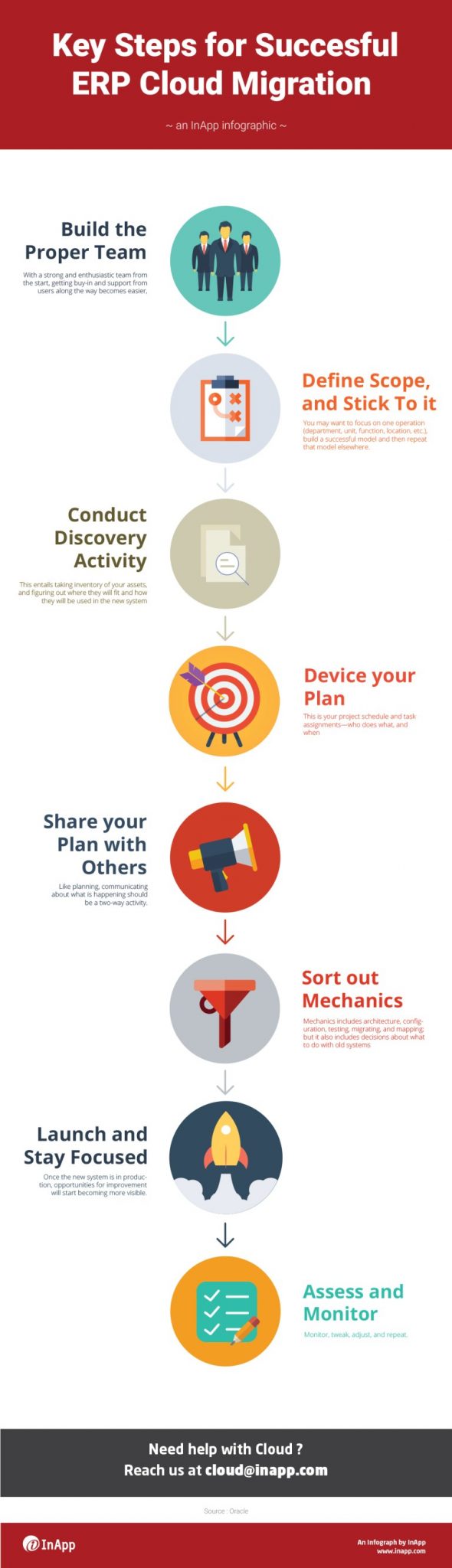
Next, you need to choose the right cloud provider and the right ERP solution. There are countless options available, and the best choice for your business will depend on a number of factors, including your budget, your industry, and your specific business needs. Research different providers, compare their pricing models, and consider their security features. Talk to other businesses that have already migrated to the cloud; their experiences can be invaluable. Don’t just focus on the technical aspects; also consider the provider’s customer support and their ability to meet your ongoing needs. This is a long-term partnership, not just a one-time purchase. Once you’ve chosen your provider and your ERP solution, you need to develop a detailed migration plan. This plan should outline the timeline for the migration, the resources that will be required, and the steps that will be taken. It should also include contingency plans to address potential problems. This plan should be a living document, constantly evolving and adapting to changing circumstances. Remember, unforeseen issues can and will arise. Having a plan in place to address these issues will help to minimize disruption and keep the project on track. Thoroughly test your migration plan before you execute it. Use a sandbox environment to simulate the migration process and identify any potential problems. This will help to prevent costly mistakes and ensure a smooth transition. Don’t underestimate the importance of thorough testing; it’s a crucial step that often gets overlooked.
Finally, consider the training aspect. Your employees need to be trained on the new ERP system before the migration takes place. This will help to ensure a smooth transition and minimize disruption. Provide adequate training materials and opportunities for hands-on practice. Remember, a successful migration is not just about technology; it’s about people. Invest in your employees, and they will invest in the success of your migration. Think of it as an investment in your future. A well-trained workforce will be able to leverage the full potential of your new ERP system, leading to increased efficiency and productivity. Don’t skimp on training; it’s an essential part of the overall migration process. Provide ongoing support after the migration is complete. Your employees may have questions or encounter problems as they adjust to the new system. Be prepared to provide them with the support they need. Consider establishing a dedicated support team or utilizing the support resources provided by your cloud provider. Remember, this isn’t a one-off event; it’s an ongoing process that requires continuous attention and support.
Executing the Migration: A Step-by-Step Approach
The execution phase is where the rubber meets the road. You’ve done your planning, you’ve chosen your provider and your ERP solution, and now it’s time to put your plan into action. This phase requires careful coordination and meticulous execution. Start by migrating your data. This is a crucial step that requires careful planning and execution. Use a phased approach, migrating data in stages to minimize disruption. Monitor the data migration process closely to ensure that data integrity is maintained. Any issues discovered during this phase should be addressed immediately. Consider the potential impact of any downtime during the migration. Develop a communication plan to keep your employees informed of the progress of the migration and any potential disruptions. Transparency and communication are key to keeping everyone on board and minimizing anxiety. Remember, your employees are your biggest asset during this transition. Keeping them informed will help to maintain morale and productivity.
Next, configure your new ERP system. This involves setting up the system to meet your specific business needs. This is a complex process that requires expertise. Work closely with your cloud provider to ensure that the system is configured correctly. Thorough testing is crucial to ensure that the system is functioning as expected. Consider using a phased approach to configuration, implementing modules in stages to minimize the risk of errors. Remember, this isn’t a race; it’s a marathon. Take your time, test thoroughly, and ensure that everything is working as expected before moving on to the next phase. During this phase, pay close attention to security. Your ERP system contains sensitive data, and it’s crucial to ensure that this data is protected from unauthorized access. Work with your cloud provider to implement appropriate security measures. Regularly review your security protocols to ensure that they are up-to-date and effective. Security should be a top priority throughout the entire migration process.
Finally, conduct thorough testing. Before you go live with your new ERP system, conduct thorough testing to ensure that everything is working as expected. This includes testing all modules, integrations, and customizations. Identify and address any issues before they impact your business operations. Consider using a phased approach to testing, testing modules in stages to minimize the risk of errors. Remember, testing is not just about finding bugs; it’s about ensuring that the system meets your business needs. Thorough testing is an investment in your future; it will help to prevent costly mistakes and ensure a smooth transition. The testing phase shouldn’t be rushed. Take your time, be thorough, and ensure that everything is working as expected before you go live. This is the final safeguard against unforeseen issues that could disrupt your business operations.
Post-Migration Optimization: Maximizing Your Cloud ERP Investment
The migration isn’t over once you go live. The post-migration phase is just as crucial as the planning and execution phases. This is where you fine-tune your new system, optimize your processes, and ensure that you’re getting the most out of your investment. Start by monitoring your system closely. Track key performance indicators (KPIs) to identify areas for improvement. This will help you to optimize your processes and ensure that you’re getting the most out of your new ERP system. Regular monitoring is crucial for identifying potential issues before they escalate into major problems. Don’t just rely on automated alerts; actively monitor your system and look for trends and patterns.
Next, provide ongoing training and support. Your employees will need ongoing training and support as they adjust to the new ERP system. Provide access to training materials and resources. Establish a dedicated support team to answer questions and address problems. Remember, your employees are your biggest asset, and their success is crucial to the success of your ERP cloud migration. Continuous training and support are essential for maximizing the return on your investment. Don’t underestimate the value of ongoing support; it’s crucial for ensuring that your employees are comfortable and confident using the new system.
Finally, continuously optimize your processes. Your ERP system should be a tool for continuous improvement. Regularly review your processes and identify areas for optimization. Use your ERP system to automate tasks and streamline workflows. This will help you to improve efficiency and reduce costs. Remember, your ERP system is a living, breathing entity; it should evolve with your business. Continuous optimization is crucial for maximizing the return on your investment. Regularly review your KPIs and look for areas where you can improve efficiency and reduce costs. Don’t be afraid to experiment and try new things. Your ERP system should be a tool for innovation and growth. The journey of ERP cloud migration is a long-term commitment, a continuous process of adaptation and optimization. Embrace the journey, learn from the challenges, and celebrate the successes. The rewards of a well-executed cloud migration are immense – increased agility, reduced costs, improved scalability, and a more efficient, more effective business. It’s a journey worth taking.