Implementing an Enterprise Resource Planning (ERP) system is a significant investment for any organization.
It promises streamlined processes, improved efficiency, and greater visibility into your business operations. But simply installing the software isn't enough.
To truly unlock the full potential of your ERP system, you need to ensure it's validated, meaning it's thoroughly tested and proven to meet your specific needs and expectations.
Think of it this way: You wouldn't buy a car without taking it for a test drive, would you? The same logic applies to ERP systems. Validation is your test drive, ensuring the system is capable of performing as promised before you commit to full implementation.
Without proper validation, you risk encountering costly issues down the line, including delays, data errors, and even system failure.
ERP system validation is a comprehensive process that goes beyond simply checking if the software works. It delves deeper, analyzing the system's functionality, performance, and security against your specific business requirements.
It involves a series of tests, simulations, and assessments to ensure the system aligns with your operational needs, complies with industry regulations, and delivers the expected return on investment.
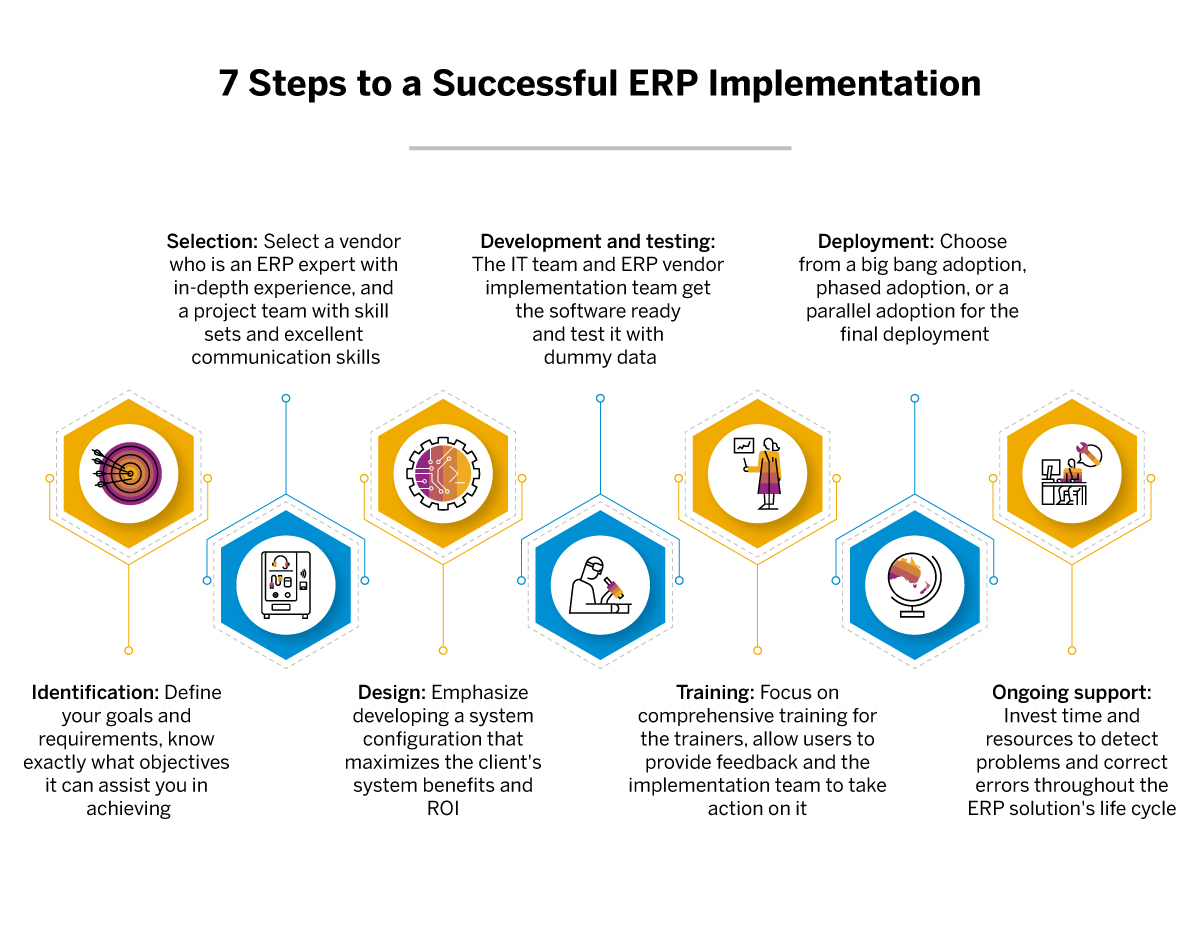
Understanding the Importance of ERP System Validation
The importance of ERP system validation cannot be overstated. It's the bridge between your expectations and the reality of your ERP implementation. Without validation, you're essentially taking a leap of faith, hoping the system will work as intended.This can lead to a cascade of problems that impact your entire organization.
Imagine implementing a new ERP system to manage your inventory and purchasing processes. You expect it to streamline operations, reduce stockouts, and provide real-time visibility into inventory levels.
However, without proper validation, you might discover that the system isn't compatible with your existing inventory management software, leading to data discrepancies and inaccurate reporting.
This not only disrupts your supply chain but also affects your ability to make informed business decisions.
Furthermore, a lack of validation can expose your organization to security risks. If the system isn't properly tested for vulnerabilities, it could be susceptible to cyberattacks, potentially leading to data breaches, financial losses, and reputational damage.
Ultimately, ERP system validation is a proactive measure that protects your investment and safeguards your organization from potential pitfalls. It's not just about ensuring the system works; it's about ensuring it works effectively and securely, delivering the benefits you expect and minimizing the risk of unexpected challenges.
The Key Stages of ERP System Validation
ERP system validation is a multi-faceted process that typically involves several key stages. These stages are designed to systematically evaluate the system's functionality, performance, and security, ensuring it meets your specific requirements and delivers the desired outcomes.The initial stage focuses on defining your validation scope. This involves clearly outlining your business objectives, identifying the key processes and functionalities to be validated, and establishing acceptance criteria. You need to determine what constitutes a successful implementation, setting clear benchmarks for the system's performance.
Next comes the planning and design phase, where you develop a comprehensive validation plan. This plan should include detailed test cases, scenarios, and procedures to assess the system's functionality, performance, and security.
You'll also need to define the testing environment, including the data to be used and the resources required.
The actual validation process involves executing the test cases and documenting the results.
This stage requires meticulous attention to detail, ensuring that all aspects of the system are thoroughly tested and any issues or discrepancies are identified and documented.
The final stage involves analyzing the validation results and reporting the findings to stakeholders.
This includes identifying any areas where the system doesn't meet your expectations, recommending corrective actions, and outlining a plan for ongoing monitoring and maintenance.
Strategies for Successful ERP System Validation
Successfully validating your ERP system requires a strategic approach. Here are some key strategies to ensure your validation process is thorough, efficient, and effective:1. Establish Clear Objectives and Expectations:
Begin by defining your specific business objectives for implementing the ERP system. What are you hoping to achieve? Improved efficiency? Enhanced data visibility? Reduced costs? Clearly define your goals and expectations so you can measure the system's success against them.
Begin by defining your specific business objectives for implementing the ERP system. What are you hoping to achieve? Improved efficiency? Enhanced data visibility? Reduced costs? Clearly define your goals and expectations so you can measure the system's success against them.
2. Involve Stakeholders:
Don't leave validation to just the IT department. Involve key stakeholders from across your organization, including end-users, business managers, and department heads. Their input is crucial in identifying potential issues, ensuring the system meets their specific needs, and providing valuable feedback throughout the process.
Don't leave validation to just the IT department. Involve key stakeholders from across your organization, including end-users, business managers, and department heads. Their input is crucial in identifying potential issues, ensuring the system meets their specific needs, and providing valuable feedback throughout the process.
3. Utilize a Comprehensive Validation Framework:
Employ a structured validation framework that covers all aspects of the system, including functionality, performance, security, and integration. This framework should provide a systematic approach to testing and ensure that no critical areas are overlooked.
Employ a structured validation framework that covers all aspects of the system, including functionality, performance, security, and integration. This framework should provide a systematic approach to testing and ensure that no critical areas are overlooked.
4. Leverage Automation: Automation tools can significantly streamline the validation process, reducing manual effort and minimizing the risk of human error. Automated testing tools can execute test cases, generate reports, and identify potential issues, freeing up your team to focus on higher-level analysis and decision-making.
5. Continuous Monitoring and Maintenance:
ERP system validation isn't a one-time event. It's an ongoing process that requires continuous monitoring and maintenance. Regularly assess the system's performance, identify any emerging issues, and implement necessary updates and patches to ensure it remains secure, efficient, and aligned with your business needs.
ERP system validation isn't a one-time event. It's an ongoing process that requires continuous monitoring and maintenance. Regularly assess the system's performance, identify any emerging issues, and implement necessary updates and patches to ensure it remains secure, efficient, and aligned with your business needs.
The Benefits of a Validated ERP System
Investing in ERP system validation pays off in numerous ways. It's not just about avoiding costly problems down the line; it's about unlocking the full potential of your ERP investment and maximizing its value to your organization.1. Reduced Implementation Risks:
Validation helps mitigate implementation risks by identifying and addressing potential issues early on. This reduces the chances of delays, cost overruns, and system failures, ensuring a smoother and more successful implementation.
Validation helps mitigate implementation risks by identifying and addressing potential issues early on. This reduces the chances of delays, cost overruns, and system failures, ensuring a smoother and more successful implementation.
2. Improved System Performance:
A validated system is more likely to perform as expected, delivering the desired efficiency, accuracy, and reliability. This translates into improved business processes, reduced errors, and enhanced productivity.
A validated system is more likely to perform as expected, delivering the desired efficiency, accuracy, and reliability. This translates into improved business processes, reduced errors, and enhanced productivity.
3. Enhanced Data Accuracy and Integrity: Validation ensures that data is processed accurately and consistently throughout the system. This improves the quality of your data, providing a reliable foundation for informed decision-making and strategic planning.
4. Increased Security and Compliance:
Validation helps identify and address security vulnerabilities, reducing the risk of cyberattacks and data breaches. It also ensures compliance with industry regulations, protecting your organization from legal and financial penalties.
Validation helps identify and address security vulnerabilities, reducing the risk of cyberattacks and data breaches. It also ensures compliance with industry regulations, protecting your organization from legal and financial penalties.
5. Higher Return on Investment (ROI):
A validated ERP system is more likely to deliver the expected return on investment. By mitigating risks, improving performance, and ensuring data integrity, validation helps you maximize the value of your ERP investment and achieve your business objectives.
A validated ERP system is more likely to deliver the expected return on investment. By mitigating risks, improving performance, and ensuring data integrity, validation helps you maximize the value of your ERP investment and achieve your business objectives.
Conclusion
ERP system validation is an essential step in maximizing the value of your ERP investment. By ensuring the system meets your specific needs, performs as expected, and complies with relevant regulations, validation protects your organization from potential pitfalls and unlocks the full potential of your ERP system.Remember, a validated ERP system is a strategic asset that empowers your organization to operate more efficiently, make informed decisions, and achieve its business goals. By embracing a comprehensive validation process, you can ensure that your ERP investment delivers the transformative results you seek.